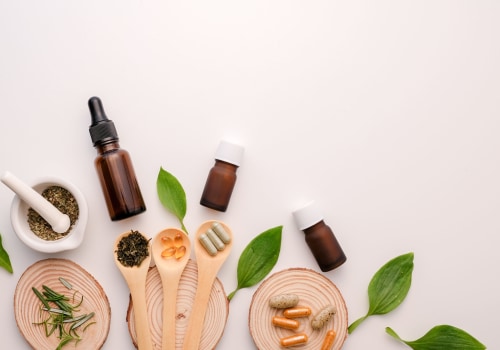
In recent years, the skincare industry has witnessed a remarkable transformation, with a significant shift towards the use of natural ingredients. This trend is not merely a passing fad; it reflects a deeper understanding among consumers about the products they apply to their skin. As awareness grows regarding the potential risks associated with synthetic chemicals, more individuals are opting for formulations that prioritize safety and sustainability. The demand for natural preservatives has surged as consumers seek alternatives that align with their health-conscious lifestyles.One of the driving forces behind this movement is the increasing knowledge about the ingredients in skincare products.
Consumers are now more informed than ever, often researching product labels and seeking transparency from brands. This heightened awareness has led to a preference for products that boast clean, recognizable components derived from nature. As a result, many companies are reformulating their offerings to include natural ingredients, which are perceived as gentler and more effective.The shift towards natural ingredients is also influenced by broader societal trends emphasizing wellness and holistic living. People are increasingly looking for ways to enhance their overall well-being, and skincare is no exception.
The desire for products that not only beautify but also nourish the skin has prompted brands to explore innovative ways to incorporate natural preservatives into their formulations. This evolution signifies a collective move away from harsh chemicals towards gentler, plant-based solutions that resonate with consumers' values.As we delve deeper into this topic, it becomes clear that the rise of natural ingredients in skincare is not just about aesthetics; it represents a fundamental change in consumer preferences and expectations. The demand for safer, more sustainable options is reshaping the landscape of beauty products, paving the way for a future where natural preservatives play a crucial role in maintaining product integrity while prioritizing skin health.
The Dangers of Synthetic Preservatives
As the beauty industry evolves, the conversation surrounding synthetic preservatives has become increasingly urgent. These chemicals, which include parabens, phthalates, and formaldehyde releasers, have been staples in skincare formulations for decades, primarily due to their effectiveness in prolonging shelf life and preventing microbial growth.However, growing evidence suggests that these substances may pose significant health risks.
Parabens
, commonly used to inhibit the growth of bacteria and mold, have been linked to hormone disruption. Research indicates that parabens can mimic estrogen in the body, potentially leading to reproductive issues and an increased risk of breast cancer. This concern has prompted many consumers to scrutinize ingredient labels more closely, seeking products that are free from these controversial compounds.
Phthalates
, another group of synthetic preservatives, are often used to enhance the texture and absorption of skincare products. However, studies have shown that phthalates can interfere with endocrine function, leading to developmental and reproductive problems.
The potential for these chemicals to accumulate in the body raises alarms about their long-term effects on health.Formaldehyde releasers, which slowly release formaldehyde over time to preserve product integrity, are also under scrutiny. Formaldehyde is a known carcinogen, and exposure can lead to skin irritation and allergic reactions. The risk is particularly concerning for individuals with sensitive skin or pre-existing conditions.The cumulative effect of these synthetic preservatives is a growing concern among consumers who prioritize their health and well-being. As awareness of these risks spreads, many are opting for skincare products that utilize natural ingredients instead.
This shift reflects a broader trend towards transparency in the beauty industry, where consumers demand safer alternatives that do not compromise their health.In conclusion, while synthetic preservatives have played a crucial role in product stability, the potential health risks associated with their use cannot be overlooked. As more individuals seek out natural alternatives, it is essential for brands to adapt and innovate, ensuring that safety and efficacy go hand in hand.
The Benefits of Natural Ingredients in Skincare
As the beauty industry evolves, the shift towards natural ingredients in skincare products is becoming increasingly prominent. This transition is not merely a trend; it reflects a deeper understanding of how these ingredients interact with our bodies and their potential benefits for skin health.One of the most significant advantages of using natural ingredients is their biocompatibility. Unlike synthetic compounds, which can sometimes cause irritation or adverse reactions, natural ingredients are often more harmonious with human biology.This compatibility means that they are less likely to provoke allergic responses or skin sensitivities, making them suitable for a wider range of skin types, including sensitive skin.Moreover, many natural ingredients possess inherent properties that contribute positively to skin health. For instance, plant-based oils such as jojoba and argan oil are rich in essential fatty acids and vitamins that nourish the skin. These oils not only hydrate but also help to restore the skin's natural barrier, promoting overall skin vitality.Another compelling reason to embrace natural ingredients is their rich content of antioxidants. Ingredients like green tea extract, vitamin C, and berry extracts are packed with antioxidants that combat free radicals—unstable molecules that can damage skin cells and accelerate aging.
By incorporating these powerful antioxidants into skincare formulations, brands can offer products that not only preserve but also enhance the skin's appearance and health.Additionally, many natural ingredients have anti-inflammatory properties. For example, aloe vera and chamomile are known for their soothing effects on the skin, helping to reduce redness and irritation. This makes them particularly beneficial for individuals dealing with conditions such as eczema or rosacea.In summary, the benefits of using natural ingredients in skincare extend far beyond mere preservation. Their biocompatibility ensures safer application, while their additional properties—such as antioxidant richness and anti-inflammatory effects—contribute significantly to improved skin health.
As consumers become more informed about what they apply to their skin, the demand for products featuring these beneficial natural components will likely continue to rise.
Innovative Packaging Solutions for Natural Skincare Products
In the realm of natural skincare, the effectiveness of natural preservatives can be significantly influenced by the packaging used. Innovative packaging solutions not only protect the integrity of the product but also enhance its longevity, ensuring that consumers receive the full benefits of the natural ingredients within.Airless Pumps: A Game Changer
One of the most effective packaging innovations for natural skincare products is the airless pump. This design minimizes exposure to air, which can lead to oxidation and degradation of sensitive ingredients. By preventing air from entering the container, airless pumps help maintain the potency of natural preservatives and other active components.- Reduced Contamination: Airless pumps limit the risk of contamination from external sources, such as bacteria and fungi, which can compromise product safety.
- Consistent Dosage: These pumps provide a precise amount of product with each use, ensuring that consumers apply the correct dosage without waste.
- Extended Shelf Life: By minimizing exposure to light and air, airless pumps can significantly extend the shelf life of natural skincare products.
The Benefits of Dark Glass Bottles
Another innovative packaging solution is the use of dark glass bottles.These containers are particularly beneficial for products containing light-sensitive ingredients, such as essential oils and certain vitamins. Dark glass protects these ingredients from UV rays, which can cause them to break down and lose their effectiveness over time.
- Enhanced Protection: Dark glass bottles shield products from harmful light exposure, preserving their integrity and efficacy.
- Sustainability: Glass is a recyclable material, making it an eco-friendly choice for brands committed to sustainability.
- Aesthetic Appeal: Dark glass bottles often convey a sense of luxury and quality, enhancing the overall consumer experience.
Challenges Faced by Natural Preservatives in Skincare Formulation
While the shift towards natural preservatives in skincare formulations is promising, it is not without its challenges.These obstacles can significantly impact the effectiveness and stability of products, making it essential for formulators to navigate them carefully.One of the primary challenges is the effectiveness of natural preservatives compared to their synthetic counterparts. Synthetic preservatives, such as parabens and phenoxyethanol, are known for their potent antimicrobial properties, which allow them to effectively inhibit the growth of bacteria and fungi over extended periods. In contrast, many natural alternatives may not offer the same level of protection. For instance, while essential oils like tea tree and rosemary possess antimicrobial qualities, their effectiveness can vary based on concentration and formulation. of natural preservatives compared to their synthetic counterparts. Synthetic preservatives, such as parabens and phenoxyethanol, are known for their potent antimicrobial properties, which allow them to effectively inhibit the growth of bacteria and fungi over extended periods. In contrast, many natural alternatives may not offer the same level of protection. For instance, while essential oils like tea tree and rosemary possess antimicrobial qualities, their effectiveness can vary based on concentration and formulation.
This inconsistency can lead to concerns about product safety and longevity.Another significant issue is related to formulation complexities. Natural preservatives often require precise balancing with other ingredients to maintain product stability. For example, certain natural extracts may react negatively with other components in a formulation, leading to changes in texture, color, or scent. This necessitates extensive testing and adjustments during the development process, which can be time-consuming and costly.Additionally, the shelf life of products containing natural preservatives can be a concern.
Many natural ingredients are more prone to oxidation and degradation than synthetic ones. This means that even with effective natural preservatives, products may have a shorter shelf life, requiring consumers to use them more quickly. Formulators must therefore consider packaging solutions that minimize exposure to air and light, further complicating the development process.Moreover, some natural preservatives may impart strong scents or colors that could deter consumers accustomed to the neutral profiles of synthetic options. This sensory aspect can influence purchasing decisions and necessitate additional formulation adjustments to mask or balance these characteristics.In conclusion, while the use of natural preservatives in skincare formulations aligns with consumer demand for safer products, it presents unique challenges that require careful consideration and expertise in formulation science.
The Importance of Proper Formulation with Natural Ingredients
When it comes to incorporating natural ingredients into skincare formulations, the significance of proper formulation cannot be overstated.Unlike synthetic preservatives, which often have predictable behaviors and effects, natural ingredients can vary widely in their properties and interactions. This variability necessitates a meticulous approach to formulation to ensure that products are not only effective but also safe for consumers.
Stability Testing
One of the critical components of proper formulation is stability testing. This process involves assessing how a product behaves over time under various conditions, including temperature fluctuations, light exposure, and humidity. Natural ingredients can be particularly sensitive to these factors, which can lead to changes in texture, color, and efficacy.
By conducting thorough stability tests, formulators can identify potential issues early on and make necessary adjustments to the formulation.Stability testing typically includes:
- Accelerated stability tests: These tests simulate long-term storage conditions in a shorter timeframe to predict how the product will perform over time.
- Microbial testing: This ensures that the product remains free from harmful bacteria and fungi throughout its shelf life.
- Packaging compatibility tests: These assess how the chosen packaging interacts with the product, which can affect its stability.
Ingredient Sourcing
The quality of natural ingredients is paramount in skincare formulation. Sourcing high-quality materials from reputable suppliers ensures that the ingredients retain their beneficial properties. Factors such as growing conditions, harvesting methods, and processing techniques can significantly impact the efficacy of natural ingredients. Therefore, formulators should prioritize sourcing from suppliers who adhere to sustainable practices and provide transparency about their ingredient origins.
Quality Control
Implementing rigorous quality control measures throughout the formulation process is essential for maintaining product integrity.
This includes regular testing of raw materials for purity and potency before they are incorporated into formulations. Additionally, finished products should undergo comprehensive evaluations to ensure they meet safety standards and perform as intended.In conclusion, the journey of creating effective skincare products with natural ingredients is complex and requires a commitment to proper formulation practices. By prioritizing stability testing, sourcing high-quality ingredients, and enforcing strict quality control measures, brands can deliver products that not only meet consumer expectations but also promote skin health safely and effectively.
Consumer Education: Understanding Natural vs. Synthetic Preservatives
As consumers become more aware of the ingredients in their skincare products, understanding the differences between natural and synthetic preservatives is crucial for making informed choices.This section addresses common questions and misconceptions to help you navigate the world of skincare.
What are natural preservatives?
Natural preservatives are derived from plant, mineral, or animal sources and are used to extend the shelf life of skincare products while minimizing potential health risks. Examples include essential oils, vitamin E, and honey. These ingredients not only help prevent microbial growth but also offer additional benefits such as antioxidant properties.
How do synthetic preservatives differ from natural ones?
Synthetic preservatives, such as parabens and phenoxyethanol, are chemically manufactured to inhibit the growth of bacteria and fungi. While they are often more effective at preserving products over long periods, they have been associated with various health concerns, including hormone disruption and allergic reactions.
In contrast, natural preservatives tend to be gentler on the skin but may not provide the same level of protection against spoilage.
Are natural preservatives always safer?
While many consumers perceive natural preservatives as safer alternatives, it is essential to recognize that "natural" does not automatically equate to safety. Some natural ingredients can cause allergic reactions or irritations in sensitive individuals. Therefore, it is vital to research specific ingredients and consider personal skin sensitivities when choosing products.
How can I make informed skincare choices?
- Read labels: Familiarize yourself with common preservatives and their potential effects on health.
- Research brands: Look for companies that prioritize transparency in their ingredient sourcing and formulation practices.
- Patch test: Always conduct a patch test when trying new products to gauge your skin's reaction.
Future Trends: The Evolution of Natural Preservatives in Skincare
As the skincare industry continues to evolve, the demand for natural preservatives is expected to grow significantly. This shift is driven by a combination of consumer awareness, regulatory changes, and advancements in formulation technology.The future of natural preservatives in skincare is not just about replacing synthetic options; it’s about innovating to create safer, more effective products that align with the values of today’s consumers.
Emerging Trends in Natural Preservatives
- Biotechnology Innovations: One of the most exciting trends is the use of biotechnology to develop new natural preservatives. Companies are exploring fermentation processes and plant-based extracts that can enhance the antimicrobial properties of traditional ingredients. For instance, certain strains of bacteria can be harnessed to produce natural compounds that inhibit microbial growth.
- Personalized Skincare: As personalized skincare becomes more mainstream, there is potential for tailored formulations that utilize specific natural preservatives based on individual skin types and concerns. This could lead to more effective products that not only preserve but also enhance skin health.
- Sustainable Sourcing: With increasing consumer demand for sustainability, brands are focusing on sourcing natural preservatives from renewable resources.
This includes using by-products from food industries or cultivating plants in a way that minimizes environmental impact.
Market Growth and Consumer Demand
The market for natural skincare products is projected to expand rapidly, with a significant portion attributed to the rise of natural preservatives. According to industry reports, the global market for natural and organic personal care products is expected to reach over $25 billion by 2025. This growth is fueled by consumers who are increasingly prioritizing health and wellness, seeking products free from harmful chemicals.Moreover, regulatory bodies are beginning to impose stricter guidelines on synthetic ingredients, further pushing brands towards natural alternatives. As a result, companies that invest in research and development of innovative natural preservatives will likely gain a competitive edge in this burgeoning market.In conclusion, the future of natural preservatives in skincare looks promising. With ongoing innovations and a clear shift in consumer preferences towards safer and more sustainable options, brands that embrace these changes will not only meet market demands but also contribute positively to consumer health and environmental sustainability.
Conclusion: Embracing Natural Ingredients for a Healthier Future in Skincare
As we conclude our exploration of the rise of natural preservatives in skincare, it is evident that the shift towards natural ingredients is not merely a trend but a necessary evolution in the beauty industry.The increasing awareness among consumers regarding the potential risks associated with synthetic preservatives has paved the way for a more informed choice in skincare products.The benefits of embracing natural ingredients extend beyond just safety; they also encompass sustainability and efficacy. Natural preservatives, derived from plants and other organic sources, offer a gentler alternative that aligns with the body’s own chemistry. This biocompatibility reduces the likelihood of adverse reactions, making them suitable for a wider range of skin types, including sensitive skin.Moreover, many natural ingredients come with additional skin benefits. For instance, essential oils not only serve as preservatives but also provide therapeutic properties that can enhance overall skin health.
Ingredients like Vitamin E and honey not only protect products from spoilage but also nourish and hydrate the skin, showcasing the dual functionality of these natural options.However, it is crucial to acknowledge the challenges that accompany the use of natural preservatives. While they may not always match the potency of their synthetic counterparts in preventing microbial growth, ongoing research and innovation are paving the way for more effective formulations. The importance of proper formulation cannot be overstated; it is essential to strike a balance between efficacy and safety to ensure that products remain stable and effective throughout their shelf life.In light of these considerations, consumers are encouraged to be proactive in their skincare choices. By opting for products that prioritize natural ingredients, individuals can contribute to a healthier lifestyle while supporting brands that are committed to sustainability and transparency.
As we move forward, it is clear that embracing natural preservatives is not just about avoiding harmful chemicals; it is about fostering a holistic approach to beauty that respects both our bodies and the environment.In summary, the future of skincare lies in our ability to embrace natural ingredients and preservatives. By doing so, we can cultivate a beauty routine that is not only effective but also safe and sustainable, ultimately leading to healthier skin and a healthier planet.