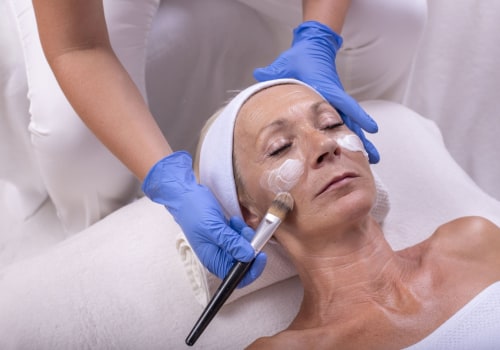
As we age, our skin undergoes various changes that can lead to the appearance of fine lines, wrinkles, and a loss of elasticity. This natural aging process can be accelerated by factors such as sun exposure, pollution, and lifestyle choices. To combat these signs of aging, many individuals are turning to anti-aging laser treatments as a viable solution. These innovative procedures harness the power of focused light energy to rejuvenate the skin, offering a non-invasive alternative to traditional surgical methods.Anti-aging laser treatments work by targeting specific layers of the skin, stimulating collagen production and promoting cellular turnover.
This process not only helps to reduce the visibility of existing wrinkles but also enhances overall skin texture and tone. The lasers used in these treatments can vary in intensity and type, allowing for tailored approaches based on individual skin concerns. From fractional lasers that create micro-injuries to stimulate healing, to non-ablative lasers that promote collagen without damaging the surface, there is a wide array of options available.The benefits of laser treatments extend beyond mere cosmetic improvements. Many patients report enhanced self-esteem and confidence following their procedures.
Additionally, these treatments often require minimal downtime compared to surgical options, making them an attractive choice for those with busy lifestyles. As technology continues to advance, the effectiveness and safety of these treatments are expected to improve further, solidifying their place in the realm of anti-aging solutions.In summary, understanding how anti-aging laser treatments function is crucial for anyone considering them as part of their skincare regimen. With a variety of techniques available and numerous benefits to be gained, these treatments represent a significant step forward in the quest for youthful, radiant skin.
The Role of Natural Ingredients in Anti-Aging Treatments
In the quest for youthful skin, the integration of natural ingredients into anti-aging treatments has gained significant traction. These ingredients not only enhance the effectiveness of laser therapies but also provide a holistic approach to skincare that is gentle and nourishing.Natural ingredients are derived from plants, minerals, and other organic sources, making them less likely to cause adverse reactions compared to synthetic compounds.This is particularly important for individuals with sensitive skin or those who prefer a more natural skincare regimen. Here are some key benefits of incorporating natural ingredients into anti-aging treatments:
- Rich in Antioxidants: Many natural ingredients, such as green tea extract and vitamin C, are packed with antioxidants that combat free radicals. Free radicals are unstable molecules that can accelerate skin aging by damaging cells. By neutralizing these harmful agents, antioxidants help maintain skin elasticity and reduce the appearance of fine lines.
- Hydration and Moisture Retention: Ingredients like hyaluronic acid, which can be derived from natural sources, are known for their ability to retain moisture in the skin.
Proper hydration is crucial for maintaining a plump and youthful appearance, as dry skin can exacerbate the visibility of wrinkles.
- Anti-Inflammatory Properties: Natural ingredients such as aloe vera and chamomile possess anti-inflammatory properties that soothe irritated skin. Reducing inflammation can lead to a more even skin tone and texture, which is essential for achieving a youthful glow.
- Stimulating Collagen Production: Certain natural extracts, like those from seaweed or peptides derived from plants, can stimulate collagen production. Collagen is vital for maintaining skin structure and firmness; thus, enhancing its production can significantly reduce signs of aging.
This synergy not only enhances the overall effectiveness of the treatment but also minimizes downtime and potential side effects.In conclusion, the role of natural ingredients in anti-aging treatments cannot be overstated. They offer a multitude of benefits that complement modern laser therapies while ensuring that the skin remains nourished and healthy. As we move further into 2023, embracing these natural solutions alongside technological advancements will likely become a cornerstone of effective anti-aging strategies.
Popular Anti-Aging Laser Treatments in 2023
As we step into 2023, the landscape of anti-aging laser treatments continues to evolve, offering a variety of options tailored to meet the diverse needs of individuals seeking youthful skin. Here’s a closer look at some of the most popular anti-aging laser treatments available this year, highlighting their mechanisms, effectiveness, and suitability for different skin types.- Fractional CO2 Laser : This treatment is renowned for its ability to address deep wrinkles, sun damage, and uneven skin texture.
The fractional CO2 laser works by delivering targeted beams of light that penetrate the skin, stimulating collagen production and promoting skin renewal. Patients often experience significant improvements in skin tone and texture after just a few sessions. However, it may not be suitable for those with darker skin tones due to the risk of hyperpigmentation.
- Erbium YAG Laser : Known for its precision, the Erbium YAG laser is effective in treating fine lines and superficial skin issues. It removes layers of damaged skin while minimizing thermal damage to surrounding tissues.
This makes it a preferred choice for individuals with lighter skin types looking for a less invasive option with quicker recovery times.
- Nd:YAG Laser : This versatile laser is effective for both vascular lesions and pigmentation issues. It penetrates deeper into the skin, making it suitable for treating larger areas and various skin types. The Nd:YAG laser can also stimulate collagen production, leading to firmer skin over time.
- Pulsed Dye Laser (PDL) : Ideal for those with redness or rosacea, the PDL targets blood vessels in the skin without damaging surrounding tissues. This treatment can significantly reduce redness and improve overall complexion, making it a popular choice among individuals looking to enhance their skin's appearance without extensive downtime.
Each treatment comes with its own set of benefits and potential side effects, so understanding these factors will help you make an informed decision on your journey toward youthful-looking skin.
Comparing Different Types of Laser Treatments
When considering laser treatments for anti-aging, it’s essential to understand the differences between various types of lasers. Each type has its unique mechanism, benefits, and potential drawbacks, making it crucial to choose the right one based on individual skin concerns and goals.Ablative vs. Non-Ablative Lasers
Ablative lasers work by removing the outer layers of skin, which can lead to significant improvements in texture and tone. These lasers are particularly effective for deep wrinkles, scars, and sun damage.However, they often require a longer recovery time due to the intensity of the treatment.In contrast, non-ablative lasers penetrate deeper into the skin without damaging the surface. They stimulate collagen production and improve skin elasticity with minimal downtime. While non-ablative treatments may require multiple sessions to achieve desired results, they are generally safer and more comfortable.
Fractional Lasers
Fractional lasers can be either ablative or non-ablative and are designed to treat only a fraction of the skin at a time. This targeted approach allows for quicker healing while still delivering effective results.Fractional CO2 lasers are particularly popular for their ability to treat fine lines, wrinkles, and uneven pigmentation with less downtime compared to traditional ablative lasers.
CO2 Lasers
CO2 lasers are a type of ablative laser that uses carbon dioxide to vaporize damaged skin cells. This method is highly effective for severe skin issues such as deep wrinkles and extensive sun damage. While CO2 laser treatments can yield dramatic results, they also come with a longer recovery period and potential side effects like redness and swelling.Erbium Lasers
Erbium lasers are another form of ablative laser treatment that is less aggressive than CO2 lasers. They are ideal for treating fine lines and moderate wrinkles with a shorter recovery time.Patients often experience less pain and swelling compared to CO2 treatments, making erbium lasers a popular choice for those seeking effective anti-aging solutions with minimal downtime.In summary, choosing the right laser treatment involves weighing the benefits against potential drawbacks. Consulting with a qualified dermatologist or skincare professional can help determine which option aligns best with your skin type and aesthetic goals.
Integrating Natural Ingredients with Laser Treatments
After undergoing laser treatments, the skin requires special care to ensure optimal healing and to enhance the results of the procedure. Integrating natural ingredients into your post-laser skincare routine can significantly aid in recovery while also providing additional benefits such as hydration, nourishment, and protection against environmental stressors.Natural ingredients are often gentler on the skin compared to synthetic products, making them ideal for use after laser treatments. Here are some effective natural ingredients to consider:- Aloe Vera: Known for its soothing properties, aloe vera can help reduce inflammation and redness.
Its hydrating qualities also assist in keeping the skin moisturized, which is crucial after laser procedures.
- Green Tea Extract: Rich in antioxidants, green tea extract can help combat oxidative stress and promote healing. It also has anti-inflammatory properties that can soothe irritated skin.
- Honey: A natural humectant, honey draws moisture into the skin and helps maintain hydration. Its antibacterial properties can also prevent infections during the healing process.
- Chamomile: This calming herb is excellent for reducing redness and irritation. Chamomile-infused products can provide a gentle touch to sensitive post-laser skin.
- Vitamin E: Known for its skin-repairing abilities, vitamin E oil can help improve the appearance of scars and promote overall skin health.
- Start Slowly: After your laser treatment, allow your skin some time to adjust before introducing new products.
Begin with one natural ingredient at a time to monitor how your skin reacts.
- Patch Test: Always perform a patch test before applying any new product to your face. This will help you avoid potential allergic reactions or irritations.
- Hydration is Key: Focus on hydrating your skin with natural moisturizers that contain ingredients like hyaluronic acid or glycerin alongside your chosen natural ingredients.
- Sunscreen is Essential: Protecting your healing skin from UV rays is crucial. Use a broad-spectrum sunscreen with natural mineral filters like zinc oxide or titanium dioxide.
Potential Side Effects and Considerations
When considering anti-aging laser treatments, it is crucial to be aware of the potential side effects and risks involved.While these treatments can offer significant benefits, understanding the possible complications can help you make an informed decision.
Common Side Effects
- Redness and Swelling: After a laser treatment, it is common to experience some degree of redness and swelling in the treated area. This reaction typically subsides within a few hours to a few days, depending on the intensity of the treatment.
- Dryness and Peeling: The skin may become dry and start to peel as it heals. This is a normal part of the recovery process, but it can be uncomfortable. Keeping the skin moisturized can help alleviate this symptom.
- Itching or Sensitivity: Some individuals may experience itching or heightened sensitivity in the treated area.
This can usually be managed with over-the-counter creams or medications as recommended by your dermatologist.
Less Common Risks
- Hyperpigmentation: In some cases, especially for individuals with darker skin tones, there is a risk of hyperpigmentation, where dark spots may appear on the skin post-treatment. This condition can often be treated but may take time to resolve.
- Scarring: Although rare, there is a possibility of scarring from laser treatments. This risk can be minimized by choosing a qualified practitioner and following pre- and post-treatment care instructions.
- Infection: Any procedure that affects the skin carries a risk of infection. It is essential to keep the treated area clean and follow your provider's aftercare recommendations to reduce this risk.
Precautions Before Treatment
Before undergoing any anti-aging laser treatment, it is vital to consult with a qualified dermatologist or licensed practitioner.
They will assess your skin type, discuss your medical history, and determine if you are a suitable candidate for the procedure. Here are some precautions to consider:
- Avoid Sun Exposure: Prior to treatment, limit sun exposure and use sunscreen to protect your skin. Sunburned or tanned skin can increase the risk of complications.
- Disclose Medical History: Be open about any medications you are taking or previous skin conditions you have experienced. This information will help your provider tailor the treatment to your needs.
- Follow Pre-Treatment Instructions: Adhering to any pre-treatment guidelines provided by your practitioner is essential for minimizing risks and ensuring optimal results.
Frequently Asked Questions About Anti-Aging Laser Treatments
As the popularity of anti-aging laser treatments continues to rise, many individuals have questions and concerns about their effectiveness, safety, and overall experience.Below are some of the most frequently asked questions regarding these innovative procedures.
What are anti-aging laser treatments?
Anti-aging laser treatments utilize focused light energy to target various skin concerns, such as wrinkles, fine lines, and uneven skin tone. These treatments stimulate collagen production, promoting skin rejuvenation and improving texture. Common types of lasers used include:- Fractional CO2 lasers: These are effective for deeper wrinkles and scars.
- Erbium lasers: Ideal for more superficial skin issues.
- Pulsed dye lasers: Often used for redness and vascular lesions.
Are laser treatments safe?
When performed by a qualified professional, anti-aging laser treatments are generally safe. However, like any medical procedure, they come with potential risks.Common side effects may include redness, swelling, or temporary discomfort. It is crucial to consult with a licensed dermatologist or plastic surgeon to discuss your specific skin type and any underlying conditions that may affect treatment outcomes.
How long do the results last?
The longevity of results from anti-aging laser treatments can vary based on several factors, including the type of treatment used, individual skin characteristics, and lifestyle choices. Typically, results can last anywhere from six months to several years. To maintain optimal results, patients may require follow-up sessions or complementary treatments.Can I combine laser treatments with other procedures?
Yes, many patients choose to combine laser treatments with other anti-aging procedures such as Botox, fillers, or chemical peels for enhanced results.This combination approach can address multiple signs of aging simultaneously and provide a more comprehensive rejuvenation effect.
Are there any misconceptions about laser treatments?
One common misconception is that all laser treatments are painful and require extensive downtime. While some procedures may cause mild discomfort, advancements in technology have led to the development of less invasive options that minimize pain and recovery time. Additionally, many patients report that the benefits far outweigh any temporary discomfort experienced during the procedure.Understanding these aspects of anti-aging laser treatments can help demystify the process and empower individuals to make informed decisions about their skincare journey.Conclusion: Choosing the Right Anti-Aging Treatment for You
As we conclude our exploration of anti-aging treatments, it’s essential to recognize that the journey to youthful skin is highly personal. The best anti-aging treatment for you will depend on various factors, including your skin type, specific concerns, and lifestyle preferences.With numerous options available, understanding the nuances of each treatment can empower you to make an informed decision.When considering anti-aging treatments , it’s crucial to evaluate your individual needs. For instance, if you are primarily concerned with fine lines and wrinkles, treatments like Botox or dermal fillers may be ideal. These options provide quick results with minimal downtime, making them suitable for those with busy schedules.On the other hand, if you are looking to address deeper skin issues such as sagging or significant sun damage, laser treatments like Ellacor may be more appropriate. This innovative technology offers a non-invasive solution that targets skin laxity and scars without the use of heat, making it a safer choice for many.Additionally, consider the role of natural ingredients in your skincare regimen.
Many people are increasingly drawn to products that harness the power of nature to rejuvenate their skin. Ingredients like hyaluronic acid, retinol derived from plants, and antioxidants can complement professional treatments and enhance overall skin health.Ultimately, the best approach is to consult with a qualified dermatologist or skincare professional who can assess your skin and recommend tailored solutions. They can help you navigate through the myriad of options available and create a personalized treatment plan that aligns with your goals.In summary, whether you opt for laser treatments, injectables, or natural skincare products, the key is to choose what resonates with your unique skin needs. By staying informed and seeking professional guidance, you can embark on a successful anti-aging journey that leaves you feeling confident and radiant.