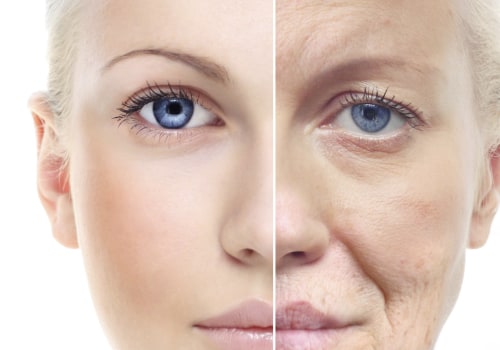
Maintaining a balanced diet is essential not only for overall health but also for enhancing beauty. The foods we consume directly impact our skin, hair, and nails, making it crucial to prioritize nutrition in our daily lives. A diet rich in natural ingredients can provide the necessary vitamins, minerals, and antioxidants that promote a radiant complexion and vibrant health. By understanding the significance of a balanced diet, we can make informed choices that benefit both our physical appearance and well-being.The connection between what we eat and how we look is profound.
Nutrient-dense foods such as fruits, vegetables, whole grains, and lean proteins are packed with essential nutrients that support skin elasticity, hair strength, and overall vitality. For instance, foods high in vitamin C, like citrus fruits and leafy greens, help in collagen production, which is vital for maintaining skin firmness. Similarly, omega-3 fatty acids found in fish and flaxseeds can reduce inflammation and keep skin hydrated.Moreover, incorporating natural ingredients into our diets can yield significant benefits. These ingredients are often free from artificial additives and preservatives, making them a healthier choice.
Foods like avocados, nuts, and berries not only taste great but also provide healthy fats and antioxidants that combat oxidative stress—one of the leading causes of premature aging. By focusing on whole foods rather than processed options, we can nourish our bodies while enhancing our beauty from within.In conclusion, embracing a balanced diet filled with natural ingredients is a powerful way to enhance both beauty and health. As we delve deeper into specific tips and strategies for achieving this balance, it becomes clear that the path to looking good starts with what we put on our plates. By prioritizing nutrition, we can unlock the secrets to a healthier lifestyle that radiates beauty from the inside out.
Understanding Natural Ingredients: What They Are and Why They Matter
Natural ingredients are components derived from nature that have not been significantly altered or processed.They include a wide range of foods such as fruits, vegetables, whole grains, and lean proteins. These ingredients are essential for maintaining a balanced diet and play a crucial role in promoting overall health and well-being.
Benefits of Natural Ingredients
- Nutrient Density: Natural ingredients are often rich in vitamins, minerals, and antioxidants. For instance, fruits like berries are packed with vitamin C and antioxidants that help combat oxidative stress.
- Digestive Health: Whole grains such as quinoa and brown rice provide dietary fiber, which is vital for healthy digestion and can help prevent constipation.
- Weight Management: Foods that are minimally processed tend to be lower in calories and unhealthy fats, making them ideal for those looking to maintain or lose weight.
- Reduced Risk of Chronic Diseases: A diet rich in natural ingredients has been linked to a lower risk of chronic conditions such as heart disease, diabetes, and certain cancers.
Types of Natural Ingredients
Understanding the various types of natural ingredients can help you make informed dietary choices:
- Fruits: These are nature's candy, providing essential vitamins and minerals. Citrus fruits like oranges and lemons are excellent sources of vitamin C, while bananas offer potassium.
- Vegetables: Leafy greens such as spinach and kale are nutrient powerhouses, rich in iron and calcium.
Root vegetables like carrots and sweet potatoes provide beta-carotene, which is beneficial for skin health.
- Whole Grains: Unlike refined grains, whole grains retain their bran and germ, making them more nutritious. Examples include oats, barley, and whole wheat products.
- Lean Proteins: Sources such as chicken breast, fish, beans, and legumes provide essential amino acids necessary for muscle repair and growth.
Key Nutrients for Healthy Skin and Hair
Maintaining healthy skin and hair is not just about external care; it significantly relies on the nutrients we consume. A balanced diet rich in natural ingredients can provide the essential vitamins and minerals that promote beauty from within.Here are some key nutrients that play a crucial role in skin and hair health:
Vitamin A
Vitamin A is vital for skin cell production and repair. It helps maintain the integrity of skin tissues and promotes a healthy complexion. Foods rich in vitamin A include:- Carrots
- Sweet potatoes
- Kale
- Spinach
- Low-fat dairy products
Vitamin C
This powerful antioxidant is essential for collagen production, which keeps skin firm and youthful. Vitamin C also helps protect the skin from damage caused by UV rays and pollution.Excellent sources of vitamin C include:
- Citrus fruits (oranges, lemons, grapefruits)
- Berries (strawberries, blueberries)
- Bell peppers
- Broccoli
- Kiwis
Vitamin E
Known for its moisturizing properties, vitamin E helps protect the skin from oxidative stress. It also supports hair growth by improving blood circulation to the scalp. Foods rich in vitamin E include:- Nuts (almonds, hazelnuts)
- Seeds (sunflower seeds)
- Spinach
- Avocados
- Olive oil
Omega-3 Fatty Acids
These essential fatty acids are crucial for maintaining skin hydration and elasticity. Omega-3s also have anti-inflammatory properties that can help reduce redness and irritation.Rich sources of omega-3 fatty acids include:
- Fatty fish (salmon, mackerel, sardines)
- Chia seedsChia seeds
- Flaxseeds
- Walnuts
- Soybeans
Incorporating Fruits and Vegetables into Your Diet
Incorporating more fruits and vegetables into your diet is essential for maintaining a balanced and nutritious lifestyle. These natural ingredients are packed with vitamins, minerals, and antioxidants that not only support overall health but also enhance your beauty from the inside out.Benefits of Fruits and Vegetables
- Rich in Nutrients: Fruits and vegetables are excellent sources of essential nutrients such as vitamin C, potassium, and dietary fiber. These nutrients play a crucial role in maintaining skin elasticity, promoting healthy digestion, and supporting immune function.
- Antioxidant Properties: Many fruits and vegetables are rich in antioxidants, which help combat oxidative stress and reduce inflammation.
This can lead to healthier skin and a lower risk of chronic diseases.
- Weight Management: Low in calories but high in volume, fruits and vegetables can help you feel full longer, making them an excellent choice for weight management.
- Hydration: Many fruits and vegetables have high water content, contributing to your daily hydration needs. Staying hydrated is vital for maintaining skin moisture and overall health.
How to Eat More Fruits and Vegetables
- Add to Every Meal: Aim to include at least one serving of fruits or vegetables in every meal. For breakfast, consider adding berries to your oatmeal or spinach to your omelet.
- Snack Smart: Replace unhealthy snacks with fresh fruit or vegetable sticks. Carrot sticks with hummus or apple slices with almond butter make for nutritious options.
- Experiment with Smoothies: Blend a variety of fruits and leafy greens into smoothies for a quick and delicious way to boost your intake.
Try combinations like spinach, banana, and almond milk or kale, pineapple, and coconut water.
- Incorporate into Dishes: Add chopped vegetables to soups, stews, or casseroles. You can also toss them into pasta dishes or grain bowls for added flavor and nutrition.
Recipes Featuring Fruits and Vegetables
- Rainbow Salad: Combine mixed greens, cherry tomatoes, bell peppers, cucumbers, shredded carrots, and avocado. Drizzle with olive oil and lemon juice for a refreshing salad.
- Sautéed Veggie Stir-Fry: Stir-fry broccoli, bell peppers, snap peas, and carrots in a bit of sesame oil. Serve over brown rice or quinoa for a wholesome meal.
- Fruit Parfait: Layer Greek yogurt with granola and your choice of fresh fruits like strawberries, blueberries, or kiwi for a nutritious breakfast or snack.
- Baked Sweet Potato: Top baked sweet potatoes with black beans, corn, diced tomatoes, and avocado for a filling meal rich in vitamins.
Remember that the key is variety; the more colors you include on your plate, the more nutrients you will consume!
The Role of Whole Grains in a Balanced Diet
Whole grains are a cornerstone of a balanced diet , offering a wealth of nutrients that contribute to overall health and well-being. Unlike refined grains, which have been stripped of their bran and germ, whole grains retain these essential parts, providing fiber, vitamins, and minerals that are crucial for maintaining optimal health.Benefits of Whole Grains
- Rich in Nutrients: Whole grains are packed with essential nutrients such as B vitamins, iron, magnesium, and antioxidants. These nutrients play vital roles in energy production, immune function, and overall cellular health.
- High in Fiber: The fiber content in whole grains aids digestion, helps maintain a healthy weight, and lowers the risk of chronic diseases such as heart disease and type 2 diabetes. Fiber also promotes satiety, making it easier to manage portion sizes.
- Supports Heart Health: Regular consumption of whole grains has been linked to lower cholesterol levels and improved heart health.
The soluble fiber found in oats and barley can help reduce bad cholesterol (LDL) levels.
- Regulates Blood Sugar: Whole grains have a lower glycemic index compared to refined grains, which means they cause a slower rise in blood sugar levels. This is particularly beneficial for individuals managing diabetes or those looking to maintain stable energy levels throughout the day.
Types of Whole Grains
There is a diverse array of whole grains to choose from, each offering unique flavors and textures:
- Brown Rice: A versatile grain that can be used in salads, stir-fries, or as a side dish.
- Quinoa: A complete protein source that is gluten-free and can be used in salads or as a base for various dishes.
- Oats: Ideal for breakfast, oats can be enjoyed as oatmeal or added to smoothies and baked goods.
- Barley: Often used in soups and stews, barley adds a chewy texture and nutty flavor.
- Bulgur: A quick-cooking grain that is perfect for tabbouleh or as a side dish.
Incorporating Whole Grains into Your Diet
Integrating whole grains into your meals can be simple and enjoyable. Here are some practical tips:
- Start Your Day Right: Choose whole grain cereals or oatmeal for breakfast to kickstart your day with energy and nutrients.
- Swap Refined for Whole: When cooking or baking, substitute white rice with brown rice or white flour with whole wheat flour.
- Add to Salads: Incorporate cooked quinoa or barley into salads for added texture and nutrition.
- Sneak Them In: Use whole grain breadcrumbs in meatballs or as a topping for casseroles to boost fiber content without sacrificing flavor.
Healthy Fats: The Good vs.
The BadUnderstanding the distinction between healthy fats and unhealthy fats is crucial for maintaining a balanced diet that supports both beauty and health. Healthy fats are essential for various bodily functions, including hormone production, nutrient absorption, and skin health. In contrast, unhealthy fats can lead to numerous health issues, including heart disease and obesity.
Sources of Healthy Fats
- Avocados: Rich in monounsaturated fats, avocados are not only creamy and delicious but also packed with vitamins and minerals that promote skin health.
- Nuts: Almonds, walnuts, and pistachios are excellent sources of healthy fats. They provide omega-3 fatty acids, which are known for their anti-inflammatory properties and benefits for skin elasticity.
- Fatty Fish: Salmon, mackerel, and sardines are high in omega-3 fatty acids.
These essential fats help maintain skin hydration and can reduce the risk of acne.
- Olive Oil: A staple in Mediterranean diets, olive oil is rich in monounsaturated fats and antioxidants, making it a heart-healthy choice that also benefits skin health.
The Benefits of Omega-3 Fatty Acids
Omega-3 fatty acids play a vital role in maintaining overall health. They are known to:
- Reduce Inflammation: Omega-3s can help lower inflammation in the body, which is beneficial for conditions like acne and eczema.
- Support Heart Health: Regular consumption of omega-3 fatty acids has been linked to a lower risk of heart disease by improving cholesterol levels and reducing blood pressure.
- Enhance Brain Function: These healthy fats are crucial for brain health, potentially improving memory and cognitive function.
Avoiding Unhealthy Fats
To maintain a balanced diet, it’s equally important to avoid unhealthy fats. Here are some tips:
- Avoid Trans Fats: Found in many processed foods, trans fats can raise bad cholesterol levels while lowering good cholesterol. Check food labels for partially hydrogenated oils.
- Limit Saturated Fats: While not all saturated fats are harmful, it’s wise to limit intake from sources like red meat and full-fat dairy products.
Opt for lean meats and low-fat dairy instead.
- Choose Whole Foods: Focus on whole foods that naturally contain healthy fats rather than processed snacks that often contain unhealthy fats.
Hydration: The Overlooked Component of Beauty and Health
Hydration is often an overlooked aspect of maintaining beauty and health, yet it plays a crucial role in how we feel and look. Water is essential for nearly every function in the body, including digestion, circulation, and temperature regulation. When it comes to skin health, adequate hydration is vital for maintaining elasticity, suppleness, and a radiant complexion.Importance of Hydration
Water acts as a natural moisturizer for the skin, helping to keep it plump and youthful. When the body is well-hydrated, it can effectively flush out toxins, which can lead to clearer skin.
Conversely, dehydration can result in dry, flaky skin and exacerbate conditions such as eczema and psoriasis. Furthermore, studies have shown that even mild dehydration can lead to increased skin roughness and a decrease in overall skin tone.
How Much Water to Drink Daily
The amount of water each person needs can vary based on factors such as age, gender, activity level, and climate. However, a common recommendation is to aim for at least 8-10 cups (64-80 ounces) of water per day. This guideline can be adjusted based on individual needs:
- Active Individuals: If you exercise regularly or live in a hot climate, you may need more water to compensate for fluid loss through sweat.
- Pregnant or Nursing Women: Increased hydration is essential during pregnancy and breastfeeding to support both mother and child.
- Dietary Considerations: Foods with high water content, such as fruits and vegetables, can contribute to your daily intake.
Effects of Dehydration on Skin
Dehydration can have several negative effects on the skin:
- Dull Appearance: Lack of moisture can make the skin look lifeless and lackluster.
- Increased Fine Lines: Dehydrated skin may show more fine lines and wrinkles due to reduced elasticity.
- Pore Visibility: When skin is dry, pores may appear larger as they become clogged with dead skin cells.
- Carry a Water Bottle: Keep a reusable water bottle with you to encourage regular sipping.
- Set Reminders: Use your phone or an app to remind you to drink water at regular intervals.
- Add Flavor: If plain water doesn’t appeal to you, infuse it with natural ingredients like lemon, cucumber, or mint for added flavor.
By understanding how much water you need and recognizing the signs of dehydration, you can take proactive steps towards maintaining your beauty from within.
Meal Planning: Creating Balanced Meals with Natural Ingredients
Meal planning is an essential strategy for maintaining a balanced diet, especially when focusing on incorporating natural ingredients. By thoughtfully preparing your meals in advance, you can ensure that you are consuming a variety of nutrients while avoiding processed foods that can detract from your health goals.To create balanced meals, consider the following tips:- Incorporate a Variety of Food Groups: Aim to include fruits, vegetables, whole grains, and lean proteins in each meal. This not only enhances flavor but also ensures a wide range of nutrients.
- Plan for Color: A colorful plate often indicates a variety of nutrients. Include greens like spinach and kale, reds like tomatoes and bell peppers, and yellows or oranges like carrots and sweet potatoes.
- Use Seasonal Ingredients: Seasonal produce is often fresher and more flavorful.
Visit local farmers' markets to find the best natural ingredients available in your area.
- Batch Cooking: Prepare larger quantities of meals that can be stored and reheated throughout the week. This saves time and ensures you have healthy options readily available.
- Breakfast: A smoothie bowl made with spinach, banana, almond milk, topped with chia seeds and fresh berries.
- Lunch: Quinoa salad with chickpeas, diced cucumbers, cherry tomatoes, parsley, and a lemon-olive oil dressing.
- Dinner: Grilled salmon served with steamed broccoli and sweet potato wedges seasoned with rosemary.
- Snacks: Sliced apple with almond butter or a handful of mixed nuts and dried fruit.
Common Myths About Diet and Beauty Debunked
When it comes to the relationship between diet and beauty, numerous myths and misconceptions can cloud our understanding. Let’s take a closer look at some of the most common myths surrounding diet and beauty, and uncover the truths that can help you make informed choices.- Myth 1: Eating chocolate causes acne. Many people believe that indulging in chocolate or greasy foods leads to breakouts.
However, research indicates that the link between diet and acne is not as straightforward as once thought. While a diet high in sugar and refined carbohydrates may exacerbate skin issues, chocolate itself, particularly dark chocolate rich in antioxidants, can actually be beneficial for skin health.
- Myth 2: All fats are bad for your skin. This is a common misconception that can lead to an unbalanced diet. In reality, healthy fats, such as those found in avocados, nuts, and olive oil, are essential for maintaining skin elasticity and hydration. Omega-3 fatty acids, in particular, play a crucial role in reducing inflammation and promoting a radiant complexion.
- Myth 3: You need to drink eight glasses of water a day for healthy skin. While staying hydrated is important for overall health, the exact amount of water needed varies from person to person.
Instead of focusing solely on water intake, consider consuming foods with high water content, such as cucumbers and watermelon, which can also contribute to hydration.
- Myth 4: A vegetarian or vegan diet lacks essential nutrients for skin health. While it’s true that certain nutrients like vitamin B12 and omega-3 fatty acids are more readily available in animal products, a well-planned vegetarian or vegan diet can provide all the necessary nutrients for healthy skin. Incorporating a variety of fruits, vegetables, whole grains, nuts, and seeds can ensure you meet your nutritional needs.
Conclusion: Embracing Natural Ingredients for Lasting Beauty and Health
In conclusion, embracing natural ingredients in our diets is not just a trend; it is a fundamental approach to achieving lasting beauty and health. Throughout this article, we have explored the myriad benefits that come from incorporating whole, unprocessed foods into our daily meals.From vibrant fruits and vegetables to wholesome grains and lean proteins, each natural ingredient plays a vital role in nourishing our bodies and enhancing our overall well-being.One of the most significant takeaways is the importance of vitamins and minerals found in these natural foods. For instance, vitamin A , abundant in foods like carrots and sweet potatoes, is essential for maintaining healthy skin. Similarly, omega-3 fatty acids , which can be sourced from fatty fish and flaxseeds, are crucial for reducing inflammation and promoting a youthful appearance.Moreover, the antioxidants present in many fruits and vegetables help combat oxidative stress, which can lead to premature aging. Foods rich in vitamin C , such as citrus fruits and berries, not only support immune function but also contribute to collagen production, keeping our skin firm and radiant.Incorporating a variety of natural ingredients into your diet also means embracing diversity in your meals.
This not only makes eating more enjoyable but also ensures that you receive a broad spectrum of nutrients necessary for optimal health. Consider experimenting with different recipes that highlight seasonal produce or exploring new grains like quinoa or farro to keep your meals exciting.Ultimately, the journey towards better health and beauty through nutrition is ongoing. By prioritizing natural ingredients, we empower ourselves to make informed choices that benefit both our physical appearance and our internal health. As we continue to learn about the profound connection between what we eat and how we feel, let us commit to making conscious dietary choices that reflect our desire for vitality and beauty.In summary, adopting a diet rich in natural ingredients is a powerful step towards achieving not only aesthetic goals but also long-term health benefits.
Let us embrace this holistic approach to nutrition as a pathway to a more vibrant life.