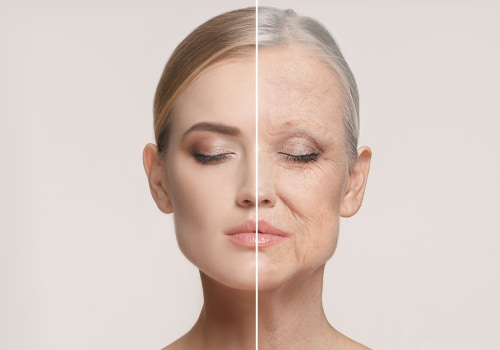
Skin elasticity is a vital characteristic that determines how well our skin can stretch and return to its original shape. This property is primarily attributed to two key proteins: collagen and elastin. Collagen provides structure and firmness, while elastin allows the skin to bounce back after being stretched. As we age, the production of these proteins naturally declines, leading to a noticeable decrease in skin elasticity.
This loss can manifest as sagging, wrinkles, and fine lines, making it essential to understand the factors that influence this crucial aspect of our skin.The significance of maintaining optimal skin elasticity cannot be overstated. Healthy, elastic skin not only contributes to a youthful appearance but also plays a role in overall skin health. When our skin retains its elasticity, it is better equipped to withstand environmental stressors such as UV radiation, pollution, and harsh weather conditions. Furthermore, elastic skin can effectively retain moisture, which is vital for preventing dryness and irritation.
Therefore, understanding how to support and enhance skin elasticity is fundamental for anyone seeking to maintain a vibrant complexion.Several factors can impact skin elasticity beyond aging. Lifestyle choices such as diet, hydration, and sun exposure play a significant role in determining the health of our skin. For instance, a diet rich in antioxidants and healthy fats can promote collagen production and protect against free radical damage. Conversely, excessive sun exposure can lead to the breakdown of collagen and elastin fibers, accelerating the aging process.
Additionally, smoking and high-stress levels can further compromise skin elasticity by reducing blood flow and depleting essential nutrients.In summary, understanding skin elasticity is crucial for anyone interested in skincare. By recognizing its importance and the various factors that affect it, we can make informed choices about our skincare routines. This foundational knowledge sets the stage for exploring how natural ingredients can effectively support and enhance skin elasticity, leading to healthier and more resilient skin.
The Role of Collagen and Elastin in Skin Elasticity
Collagen and elastin are two essential proteins that play a pivotal role in maintaining the structure, firmness, and elasticity of our skin. Understanding their functions can provide insight into how we can better care for our skin and combat the signs of aging.Collagen
is the most abundant protein in our bodies, making up about 75% of our skin's dry weight.
It acts as a scaffold, providing strength and support to the skin. As we age, collagen production naturally declines, leading to a decrease in skin firmness and an increase in wrinkles. Factors such as sun exposure, smoking, and poor diet can further accelerate this decline. When collagen levels drop, the skin loses its ability to retain moisture, resulting in dryness and sagging.
Elastin
, on the other hand, is responsible for the skin's ability to stretch and bounce back.
This protein allows the skin to return to its original shape after being stretched or pulled. Like collagen, elastin production decreases with age, which can lead to a loss of elasticity and the formation of fine lines and wrinkles. Environmental factors such as UV radiation and pollution can also damage elastin fibers, exacerbating the aging process.Fortunately, incorporating natural ingredients into your skincare routine can help stimulate the production of both collagen and elastin. Ingredients like vitamin C, found in citrus fruits and certain plant extracts, are known to boost collagen synthesis.
Similarly, peptides, which are small chains of amino acids, can signal the skin to produce more collagen and elastin.Additionally, natural oils such as rosehip oil and argan oil are rich in essential fatty acids that nourish the skin and support its structural integrity. These oils not only hydrate but also promote cellular regeneration, helping to maintain a youthful appearance.In summary, understanding the roles of collagen and elastin is crucial for anyone looking to improve their skin's elasticity. By utilizing natural ingredients that support these proteins' production, you can effectively combat the signs of aging and promote healthier, more resilient skin.
Natural Ingredients That Boost Skin Elasticity
When it comes to enhancing skin elasticity, several natural ingredients stand out for their remarkable properties. These ingredients not only nourish the skin but also play a crucial role in maintaining its firmness and suppleness.Below, we explore some of the best natural ingredients known for their benefits to skin elasticity.
- Aloe Vera:Aloe Vera: Renowned for its soothing properties, aloe vera is rich in vitamins A, C, and E, which are essential for skin health. Its gel-like consistency provides hydration while promoting collagen production. Regular use of aloe vera can help improve skin elasticity and reduce the appearance of fine lines.
- Rosehip Oil: Extracted from the seeds of wild rose bushes, rosehip oil is packed with essential fatty acids and antioxidants. It is particularly high in vitamin A, which aids in skin regeneration and boosts collagen levels.
This oil not only enhances elasticity but also helps to fade scars and even out skin tone.
- Green Tea: This powerful antioxidant is known for its anti-inflammatory properties. The polyphenols found in green tea can protect the skin from oxidative stress caused by free radicals. By incorporating green tea into your skincare routine, you can help maintain collagen levels and improve overall skin elasticity. This powerful antioxidant is known for its anti-inflammatory properties. The polyphenols found in green tea can protect the skin from oxidative stress caused by free radicals. By incorporating green tea into your skincare routine, you can help maintain collagen levels and improve overall skin elasticity.
- Ginseng: A staple in traditional medicine, ginseng is celebrated for its ability to stimulate collagen production. It enhances blood circulation, which helps deliver essential nutrients to the skin.
Ginseng also has anti-aging properties that contribute to improved skin firmness and elasticity.
- Seaweed: Rich in vitamins and minerals, seaweed is a powerhouse for skin health. It contains amino acids that are vital for collagen synthesis. Seaweed extracts can hydrate the skin deeply while improving its texture and elasticity.
- Chamomile: Known for its calming effects, chamomile also possesses anti-inflammatory properties that can soothe irritated skin. Its antioxidants help protect against environmental damage while promoting a more elastic and youthful appearance.
Whether through serums, oils, or creams, these plant-based options provide a holistic approach to achieving firmer, healthier skin.
Antioxidants and Their Impact on Skin Health
Antioxidants play a crucial role in maintaining skin health, particularly when it comes to preserving skin elasticity. These powerful compounds help combat the damaging effects of free radicals, which are unstable molecules that can lead to oxidative stress and accelerate the aging process.Free radicals are generated by various environmental factors, including UV radiation, pollution, and even stress. When these free radicals accumulate in the skin, they can damage collagen and elastin fibers, which are essential for maintaining the skin's firmness and elasticity. This is where antioxidants come into play.Benefits of Antioxidants for Skin
- Protection Against Damage: Antioxidants neutralize free radicals, reducing their ability to cause harm to skin cells.
This protective effect helps to maintain the integrity of collagen and elastin, which are vital for skin elasticity.
- Boosting Collagen Production: Certain antioxidants, such as vitamin C, are known to stimulate collagen synthesis. By enhancing collagen production, these antioxidants contribute to firmer and more resilient skin.
- Reducing Inflammation: Many antioxidants possess anti-inflammatory properties that can soothe irritated skin. This reduction in inflammation can help prevent further damage to collagen and elastin fibers.
- Improving Skin Texture: Regular use of antioxidant-rich products can lead to smoother skin texture by promoting cell turnover and reducing the appearance of fine lines and wrinkles.
How Antioxidants Improve Skin Elasticity
The relationship between antioxidants and skin elasticity is significant. By protecting against oxidative stress and supporting collagen production, antioxidants help maintain the skin's structural integrity.
For instance, vitamin E is another potent antioxidant that not only protects cell membranes but also enhances moisture retention in the skin. This hydration is essential for maintaining elasticity.Incorporating antioxidants into your skincare routine can be as simple as choosing products that contain natural ingredients rich in these compounds. Look for serums or creams that feature ingredients like green tea extract, vitamin C, or coenzyme Q10. These ingredients not only provide antioxidant benefits but also work synergistically to enhance overall skin health.In summary, antioxidants are vital for protecting the skin from free radical damage while promoting collagen and elastin preservation. By integrating antioxidant-rich products into your skincare regimen, you can significantly improve your skin's elasticity and overall appearance.
Essential Oils for Skin Elasticity
Essential oils have gained popularity in the skincare world, particularly for their potential to enhance skin elasticity.Essential oils have gained popularity in the skincare world, particularly for their potential to enhance skin elasticity.These concentrated plant extracts are not only aromatic but also packed with beneficial properties that can rejuvenate and nourish the skin. Below, we explore some of the most effective essential oils for improving skin elasticity, their unique benefits, and how to incorporate them into your skincare routine.
Key Essential Oils for Skin Elasticity
- Lavender Oil: Known for its calming scent, lavender oil also possesses anti-inflammatory and antioxidant properties. It helps stimulate collagen production, which is crucial for maintaining skin elasticity. Additionally, its soothing effects can reduce redness and irritation, promoting an even skin tone.
- Frankincense Oil: This ancient oil is revered for its ability to rejuvenate the skin.
Frankincense oil can help improve the appearance of scars and stretch marks while promoting cell regeneration. Its astringent properties also help tighten the skin, enhancing overall firmness.
- Rosemary Oil: Rich in antioxidants, rosemary oil helps protect the skin from free radical damage. It stimulates blood circulation, which can enhance nutrient delivery to skin cells, thereby supporting collagen and elastin production.
- Geranium Oil: Geranium oil is known for balancing sebum production, making it suitable for all skin types. It promotes cell turnover and has a toning effect on the skin, which can improve elasticity and firmness.
- Patchouli Oil: This oil is excellent for mature or dry skin due to its hydrating properties.
Patchouli oil encourages new cell growth and helps reduce the appearance of fine lines and wrinkles, contributing to a more youthful look.
How to Use Essential Oils
Incorporating essential oils into your skincare routine can be done in several ways:- Facial Oils: Mix a few drops of your chosen essential oil with a carrier oil like jojoba or sweet almond oil. Apply this blend to your face as a moisturizer or treatment oil.
- DIY Masks: Add essential oils to homemade face masks. For example, mix lavender or frankincense oil with honey and yogurt for a nourishing mask that boosts elasticity.
- Bath Soaks: Add a few drops of essential oils to your bathwater for an all-over skin treatment that hydrates and rejuvenates.
- Aromatherapy Diffusers: While not directly applied to the skin, diffusing essential oils can create a calming environment that supports overall skin health through stress reduction.
By integrating these potent plant extracts into your skincare regimen, you can enjoy firmer, more resilient skin while reaping the aromatic benefits they provide.
Incorporating Natural Ingredients into Your Skincare Routine
Incorporating natural ingredients into your skincare routine can be a transformative experience for your skin. To maximize the benefits of these ingredients, it’s essential to understand how to use them effectively. Here are some practical tips and product recommendations to help you seamlessly integrate natural ingredients into your daily regimen.1.Start with a Natural Cleanser
- Choose a cleanser that features gentle, natural ingredients like honey, coconut oil, or jojoba oil. These ingredients not only cleanse the skin but also provide hydration and nourishment.
- Apply the cleanser to damp skin, massaging it in circular motions for about 30 seconds before rinsing with lukewarm water.
This helps to remove impurities without stripping the skin of its natural oils.
2.Use a Natural Toner
- A toner can help balance your skin's pH and prepare it for subsequent products. Look for toners containing witch hazel, rose water, or aloe vera.
- After cleansing, apply the toner using a cotton pad or your fingertips, gently patting it onto your skin. This step can enhance absorption of the following products.
3.Moisturize with Natural Ingredients
- Select a moisturizer rich in natural oils such as shea butter, avocado oil, or almond oil. These ingredients are packed with essential fatty acids that help improve skin elasticity and hydration.
- Apply the moisturizer while your skin is still slightly damp from the toner to lock in moisture effectively.
4.Incorporate Natural Serums or Oils
- Consider adding a serum or facial oil that contains potent natural extracts like rosehip oil, ginseng, or seaweed extract.
These can provide additional nutrients and support collagen production.
- Use a few drops of serum or oil and gently press it into your skin, focusing on areas that need extra attention.
5.Don’t Forget Sunscreen
- A natural sunscreen is crucial for protecting your skin from UV damage. Look for options that contain mineral-based ingredients like zinc oxide or titanium dioxide.
- Apply sunscreen generously as the last step in your morning routine, ensuring even coverage on all exposed areas of your skin.
6.Be Consistent and Patient
The key to seeing results from natural ingredients is consistency. Stick to your routine and give your skin time to adjust and respond to the new products. It may take several weeks to notice significant improvements in elasticity and overall skin health.By following these best practices, you can effectively incorporate natural ingredients into your skincare routine, leading to healthier, more resilient skin over time.
The Importance of Choosing Clean Beauty Products
In recent years, the beauty industry has witnessed a significant shift towards clean beauty products, reflecting a growing awareness of the ingredients we apply to our skin.Choosing clean beauty means opting for products that are free from harmful chemicals, synthetic fragrances, and toxic additives. This conscious decision not only benefits our personal health but also contributes positively to the environment.One of the primary reasons to choose natural skincare products is the potential health risks associated with conventional beauty products. Many mainstream cosmetics contain ingredients like parabens, sulfates, and phthalates, which have been linked to various health concerns, including hormonal disruptions and skin irritations. By selecting clean beauty options, you minimize your exposure to these harmful substances, promoting better skin health and overall well-being.Moreover, natural ingredients are often rich in vitamins, minerals, and antioxidants that nourish the skin.
For instance, ingredients like aloe vera , coconut oil , and sheabutter not only hydrate but also provide essential nutrients that support skin elasticity and repair. This holistic approach to skincare allows you to treat your skin gently while reaping the benefits of nature's bounty.Another compelling reason to embrace clean beauty is its environmental impact. The production of conventional beauty products often involves harmful manufacturing processes that contribute to pollution and waste. In contrast, many clean beauty brands prioritize sustainability by sourcing ingredients responsibly and using eco-friendly packaging.
By choosing these products, you are supporting a more sustainable industry that respects both human health and the planet.Furthermore, clean beauty products are typically cruelty-free, meaning they are not tested on animals. This ethical consideration resonates with many consumers who are increasingly concerned about animal welfare. By opting for natural skincare options, you align your purchasing decisions with your values.In conclusion, the importance of choosing clean beauty products cannot be overstated. Not only do they offer numerous benefits for your skin's health and appearance, but they also promote environmental sustainability and ethical practices within the beauty industry.
As you explore your skincare options, consider making the switch to natural ingredients that enhance your beauty routine while being kind to yourself and the planet.
Common Myths About Natural Ingredients in Skincare
When it comes to skincare, the rise of natural ingredients has led to a plethora of myths and misconceptions. Understanding these myths is crucial for making informed choices about your skincare products. Here, we will debunk some of the most common myths surrounding natural ingredients in skincare.- Myth 1: Natural Ingredients Are Always Safe
While many natural ingredients are gentle and beneficial, not all are suitable for every skin type. For instance, essential oils can cause irritation or allergic reactions in some individuals.It’s essential to patch-test new products and consult with a dermatologist if you have sensitive skin.
- Myth 2: Natural Ingredients Are More Effective Than Synthetic Ones
The effectiveness of an ingredient depends on its formulation and concentration rather than whether it is natural or synthetic. Some synthetic ingredients are designed to mimic the benefits of natural ones and can be just as effective, if not more so, in certain formulations. - Myth 3: All Natural Products Are Eco-Friendly
While many natural ingredients are sourced sustainably, not all natural products are environmentally friendly. Some may still involve harmful harvesting practices or contribute to biodiversity loss. Always look for certifications that indicate sustainable sourcing. - Myth 4: Natural Ingredients Have No Side Effects
Just because an ingredient is derived from nature does not mean it is free from side effects.For example, some people may experience breakouts from comedogenic oils like coconut oil, while others may find that certain plant extracts cause irritation.
- Myth 5: Natural Skincare Products Are Always Expensive
While some premium brands do charge a premium for their natural formulations, there are plenty of affordable options available. Many drugstore brands now offer effective natural skincare lines that won’t break the bank.
Conclusion: Embracing Natural Ingredients for Healthier Skin
In summary, the journey towards healthier skin is significantly enhanced by embracing natural ingredients. Throughout this article, we have explored the profound impact that these ingredients can have on skin elasticity, a crucial aspect of maintaining youthful and vibrant skin.As we age, the natural decline in collagen and elastin production can lead to visible signs of aging, such as sagging and wrinkles. However, by incorporating natural ingredients into our skincare routines, we can effectively combat these changes.Natural ingredients like aloe vera, green tea, and rosehip oil are not just buzzwords; they are powerful allies in our quest for firmer skin. These plant-based components are rich in antioxidants that protect against free radical damage, which is known to accelerate the aging process. Additionally, essential oils such as lavender and frankincense offer anti-aging benefits by stimulating collagen production and enhancing skin hydration.Moreover, the gentle nature of natural ingredients makes them suitable for all skin types.
Unlike synthetic products that may contain harsh chemicals or irritants, natural formulations provide a soothing experience while delivering effective results. This gentleness is particularly beneficial for those with sensitive skin or conditions like eczema and rosacea.As we consider the environmental impact of our choices, opting for natural skincare products also aligns with a more sustainable lifestyle. Many natural ingredients are sourced from renewable resources and are biodegradable, reducing our ecological footprint.In conclusion, adopting a skincare routine that prioritizes natural ingredients not only supports skin elasticity but also promotes overall skin health. By making informed choices about the products we use, we can nurture our skin while being kind to the planet.
So take the leap—embrace the power of nature in your skincare regimen and enjoy the benefits of radiant, resilient skin.