In recent years, there has been a significant shift towards the use of natural ingredients in beauty and health products. This growing trend reflects a broader awareness of the potential benefits that come from harnessing the power of nature. Consumers are increasingly seeking alternatives to synthetic chemicals, which can often lead to adverse reactions or long-term health concerns. By opting for products made with natural components, individuals are not only prioritizing their well-being but also embracing a more holistic approach to self-care.The appeal of natural products lies in their ability to nourish and rejuvenate the skin and hair without the harsh side effects commonly associated with artificial additives.
Ingredients such as aloe vera, coconut oil, and shea butter have been celebrated for their moisturizing properties, while botanical extracts like chamomile and green tea offer soothing benefits. These natural elements work in harmony with the body’s own systems, promoting healthier skin and hair over time.Moreover, the environmental impact of beauty and health products is becoming an essential consideration for many consumers. Natural ingredients are often sourced sustainably, reducing the carbon footprint associated with production and packaging. This eco-conscious mindset not only benefits personal health but also contributes to the well-being of our planet.
As more people become aware of these factors, the demand for products that prioritize natural ingredients continues to rise.In this article, we will explore various beauty tips and health tips that incorporate natural ingredients into your daily routine. From DIY skincare recipes to hair care solutions, you will discover how simple changes can lead to remarkable improvements in your overall appearance and health. Embracing natural products is not just a trend; it’s a lifestyle choice that can yield lasting benefits for both you and the environment.
Benefits of Using Natural Ingredients on Skin
In recent years, the beauty industry has seen a significant shift towards the use of natural ingredients in skincare products. This trend is not just a passing fad; it is rooted in the numerous benefits that natural ingredients offer for skin health.By opting for products made from natural sources, individuals can experience a range of advantages that synthetic alternatives often lack.One of the primary benefits of using natural ingredients is their ability to nourish the skin without the harsh chemicals found in many conventional products. Natural ingredients such as aloe vera , coconut oil , and sheabutter are rich in vitamins, minerals, and antioxidants that help to hydrate and rejuvenate the skin. These components work synergistically to promote a healthy complexion, making them ideal for those seeking to enhance their skin's appearance.Another significant advantage is the reduced risk of irritation. Many people suffer from sensitive skin that reacts negatively to artificial fragrances, preservatives, and other synthetic additives. are rich in vitamins, minerals, and antioxidants that help to hydrate and rejuvenate the skin. These components work synergistically to promote a healthy complexion, making them ideal for those seeking to enhance their skin's appearance.Another significant advantage is the reduced risk of irritation. Many people suffer from sensitive skin that reacts negatively to artificial fragrances, preservatives, and other synthetic additives.
Natural ingredients tend to be gentler on the skin, minimizing the likelihood of allergic reactions or irritations. For instance, oatmeal is known for its soothing properties and can effectively calm inflamed or irritated skin.Moreover, natural ingredients often possess anti-inflammatory properties that can help alleviate conditions such as acne, eczema, and rosacea. Ingredients like tea tree oil and honey have been shown to reduce redness and swelling while promoting healing. This makes them excellent choices for individuals looking to manage specific skin concerns.In addition to their healing properties, many natural ingredients also provide protective benefits.
For example, green tea extract is packed with antioxidants that combat free radicals, which can lead to premature aging. By incorporating products with these natural extracts into your skincare routine, you can help shield your skin from environmental stressors.Finally, using natural ingredients aligns with a more sustainable lifestyle. Many consumers are becoming increasingly aware of the environmental impact of their choices. By selecting skincare products made from natural sources, you are often supporting eco-friendly practices and reducing your carbon footprint.In conclusion, the benefits of using natural ingredients in skincare are manifold.
From nourishing and soothing properties to protective effects against environmental damage, these ingredients offer a holistic approach to maintaining healthy skin. As you explore your skincare options, consider embracing the power of nature for a radiant complexion.
Top Natural Ingredients for Skin Care
When it comes to achieving healthy and radiant skin, incorporating natural ingredients into your skincare routine can make a significant difference. These ingredients are often rich in vitamins, minerals, and antioxidants that nourish the skin without the harsh chemicals found in many commercial products. Below are some of the top natural ingredients that can enhance your skincare regimen.- Aloe Vera: Known for its soothing properties, aloe vera is excellent for calming irritated skin and providing hydration.
It contains vitamins C and E, which help to improve skin elasticity and reduce signs of aging. You can use fresh aloe vera gel directly from the plant or look for products that contain a high percentage of aloe.
- Coconut Oil: This versatile oil is not only a great moisturizer but also has antibacterial properties. It can help to prevent acne and keep your skin hydrated. For a simple DIY moisturizer, mix coconut oil with a few drops of essential oils like lavender or tea tree for added benefits.
- Shea Butter: Rich in fatty acids and vitamins A and E, shea butter is perfect for deep hydration.
It helps to repair the skin barrier and is particularly beneficial for dry or sensitive skin. You can use it as a standalone moisturizer or mix it with other oils for a luxurious body butter.
- Essential Oils: Essential oils like lavender, tea tree, and chamomile offer various benefits, from calming inflammation to fighting acne-causing bacteria. Always dilute essential oils with a carrier oil before applying them to your skin to avoid irritation.
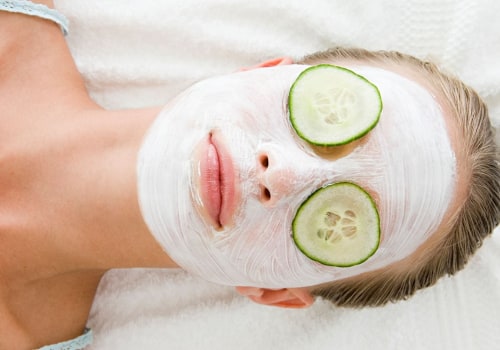
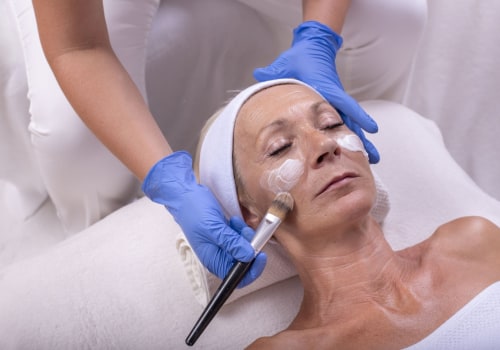
- Aloe Vera Face Mask: Mix 2 tablespoons of aloe vera gel with 1 tablespoon of honey. Apply it to your face for 15-20 minutes before rinsing off with warm water.
- Coconut Oil Scrub: Combine 1 cup of coconut oil with 1/2 cup of sugar or coffee grounds.
Use this mixture as an exfoliating scrub in the shower to remove dead skin cells.
- Shea Butter Lotion: Melt 1/2 cup of shea butter and mix it with 1/4 cup of coconut oil and a few drops of your favorite essential oil. Allow it to cool and solidify before using it as a rich body lotion.
Natural Ingredients for Hair Care: What You Need to Know
When it comes to maintaining luscious locks, the choice of products can make a significant difference.Natural ingredients
have gained popularity in recent years, and for good reason.They offer a plethora of benefits that synthetic products often lack. Here’s a closer look at how natural ingredients can enhance your hair care routine.
Benefits of Natural Hair Products
- Gentle on the Scalp: Natural ingredients are typically free from harsh chemicals, making them less likely to irritate the scalp. Ingredients like aloe vera and chamomile soothe inflammation and promote a healthy scalp environment.
- Nourishing Properties: Many natural oils, such as argan oil and coconut oil, are rich in essential fatty acids and vitamins. These nutrients penetrate the hair shaft, providing deep hydration and nourishment that synthetic products may not deliver.
- Promotes Healthy Growth: Natural ingredients like rosemary and peppermint oil stimulate blood circulation in the scalp, which can encourage hair growth.
Regular use can lead to thicker, healthier hair over time.
- Environmentally Friendly: Choosing natural hair care products often means supporting sustainable practices. Many brands focus on eco-friendly sourcing and packaging, reducing your carbon footprint.
Natural Hair Care Tips
- Use Essential Oils: Incorporate essential oils into your routine by adding a few drops to your shampoo or conditioner. Oils like lavender and tea tree can help with dandruff and promote relaxation.
- DIY Hair Masks: Create your own hair masks using ingredients like honey, avocado, or yogurt. These masks can provide intense moisture and shine while being free from harmful additives.
- Avoid Heat Styling: Limit the use of heat styling tools to prevent damage.
Instead, embrace natural drying methods or use braids to create waves without heat.
- Regular Trims: Even with the best natural products, split ends can occur. Regular trims help maintain healthy hair by removing damaged ends.
Best Natural Ingredients for Hair Care
When it comes to achieving healthy, vibrant hair, incorporating natural ingredients into your hair care routine can make a significant difference. Here’s a detailed look at some of the best natural ingredients that can nourish your hair and promote its overall health.- Argan Oil: Known as "liquid gold," argan oil is rich in essential fatty acids and vitamin E.
It helps to hydrate and soften hair, making it an excellent choice for dry or frizzy locks. To use, apply a few drops to your palms and work it through damp or dry hair, focusing on the ends.
- Jojoba Oil: This oil closely resembles the natural sebum produced by our scalp, making it an effective moisturizer. Jojoba oil can help balance oil production and soothe dry scalp conditions. For a DIY treatment, mix jojoba oil with a few drops of essential oils like lavender or tea tree for added benefits.
- Coconut Oil: A popular choice for deep conditioning, coconut oil penetrates the hair shaft to reduce protein loss.
It can be used as a pre-wash treatment or as a leave-in conditioner. Simply warm a small amount in your hands and apply it evenly throughout your hair.
- Aloe Vera: Renowned for its soothing properties, aloe vera can help alleviate scalp irritation and promote hair growth. You can apply fresh aloe vera gel directly to your scalp and leave it on for about 30 minutes before rinsing it out.
- Honey: A natural humectant, honey attracts moisture to the hair. It can be mixed with other ingredients like olive oil or yogurt to create a nourishing hair mask.
Apply the mixture to damp hair, leave it on for 20-30 minutes, then rinse thoroughly.
- Herbal Infusions: Infusing oils with herbs like rosemary, chamomile, or hibiscus can enhance their benefits. For instance, rosemary is known to stimulate hair growth and improve circulation. To create an herbal infusion, steep dried herbs in warm oil for several hours or overnight before straining and using it as a treatment.
Common Misconceptions About Natural Ingredients
When it comes to beauty and health, the allure of natural ingredients is undeniable.However, several misconceptions can cloud our understanding of their effectiveness and safety. Addressing these myths is crucial for making informed choices about skincare and haircare.
Myth 1: Natural Ingredients Are Always Safe
One of the most prevalent misconceptions is that all natural ingredients are inherently safe. While many natural substances can be beneficial, some can cause allergic reactions or irritations. For instance, essential oils, which are often touted for their therapeutic properties, can be potent and may lead to skin sensitivities if not used correctly.
Always conduct a patch test before applying a new product containing natural ingredients to your skin.
Myth 2: Natural Products Are More Effective Than Synthetic Ones
Another common belief is that natural beauty products outperform their synthetic counterparts. While some natural ingredients have proven benefits, such as aloe vera for soothing skin or coconut oil for hydration, synthetic ingredients can also offer targeted solutions that natural alternatives may not provide. For example, certain synthetic compounds are designed to penetrate the skin more effectively or deliver specific results, such as anti-aging effects.
Myth 3: All Natural Products Are Eco-Friendly
Many consumers assume that if a product is labeled as natural, it must be environmentally friendly. However, this is not always the case.
Some natural ingredients can be sourced in ways that harm ecosystems or contribute to biodiversity loss. It’s essential to look for certifications or brands that prioritize sustainable sourcing practices.
Myth 4: Natural Ingredients Have No Side Effects
While many people believe that using products made from natural ingredients eliminates the risk of side effects, this is misleading. Just because an ingredient is derived from nature does not mean it is free from potential adverse effects. For example, some individuals may experience breakouts from using products with high concentrations of certain plant extracts.
Myth 5: More Natural Ingredients Mean Better Products
Lastly, there’s a misconception that products with a longer list of natural ingredients are superior.
In reality, the effectiveness of a product often depends on the quality and concentration of its active components rather than the quantity of ingredients listed. A well-formulated product with fewer but potent natural ingredients can outperform one with an extensive list of less effective components.In conclusion, while natural ingredients can play a significant role in beauty and health routines, it’s essential to approach them with a critical eye. Understanding these common misconceptions allows consumers to make better choices and enjoy the benefits of natural products safely and effectively.
Safety Tips When Using Natural Products
When it comes to incorporating natural ingredients into your beauty routine, safety should always be a top priority. While many natural products are celebrated for their gentle and nourishing properties, they can still pose risks, particularly for individuals with sensitive skin or allergies.Understanding these risks and taking appropriate precautions can help you enjoy the benefits of natural beauty products without adverse effects.
Potential Allergic Reactions
Natural ingredients, despite their organic origins, can trigger allergic reactions in some individuals. Common allergens found in natural products include:
- Essential oils: While they offer delightful scents and therapeutic benefits, essential oils like lavender or tea tree oil can cause irritation or allergic reactions in sensitive individuals.
- Plant extracts: Ingredients such as aloe vera or chamomile may be soothing for many but can provoke reactions in those allergic to specific plants.
- Nuts and seeds: Oils derived from nuts (like almond or coconut oil) can be problematic for those with nut allergies.
Patch Testing: A Simple Safety Measure
Before fully incorporating a new natural product into your skincare or haircare routine, conducting a patch test is highly recommended. This simple procedure can help you identify any potential adverse reactions before applying the product to larger areas of your skin. Here’s how to perform a patch test:
- Select a small area: Choose a discreet spot on your skin, such as the inside of your wrist or behind your ear.
- Apply the product: Use a small amount of the natural product on the selected area.
- Wait and observe: Allow the product to sit for 24 hours.
During this time, monitor for any signs of irritation, redness, or swelling.
- Evaluate results: If no adverse reactions occur after 24 hours, it’s generally safe to use the product on larger areas. If you notice any negative symptoms, discontinue use immediately.
Consulting Professionals
If you have a history of allergies or sensitive skin, consider consulting with a dermatologist before trying new natural products. They can provide personalized advice and recommend suitable options based on your skin type and concerns.By taking these safety precautions when using natural beauty products, you can enjoy their benefits while minimizing the risk of adverse reactions. Remember that even natural ingredients require careful consideration and respect for your unique skin needs.
Conclusion: Embracing Natural Ingredients for Healthier Skin and Hair
In conclusion, embracing natural ingredients in your beauty and health routines can lead to significant improvements in the condition of your skin and hair.Throughout this article, we have explored various natural products and their benefits, highlighting how they can enhance your overall well-being.One of the most compelling reasons to opt for natural ingredients is their ability to nourish the skin and hair without the harsh side effects often associated with synthetic products. Ingredients like aloe vera , coconut oil , and honey not only provide hydration but also possess healing properties that can soothe irritation and promote a healthy glow.Moreover, using natural ingredients allows you to avoid harmful chemicals that can disrupt your skin's natural balance. Many commercial beauty products contain parabens, sulfates, and artificial fragrances that may lead to adverse reactions. By choosing natural alternatives, you minimize the risk of irritation and allergic responses.Additionally, incorporating a variety of natural ingredients into your routine can help address specific concerns.
For instance:
- Tea tree oil is excellent for combating acne due to its antibacterial properties.
- Jojoba oil closely resembles the skin's natural oils, making it an effective moisturizer for all skin types.
- Aromatherapy oils , such as lavender or chamomile, can enhance relaxation and improve mental well-being.
As you continue to experiment with different natural products, remember to listen to your body and adjust your routine accordingly. Your skin and hair will thank you for it!.