Nurses serve as the backbone of the healthcare system, particularly when it comes to the care of elderly patients. Their role extends far beyond the administration of medications and treatments; they are pivotal in promoting wellness and encouraging self-care practices among older adults. As the population ages, the need for specialized care that addresses both physical and emotional well-being becomes increasingly critical. Nurses are uniquely positioned to guide elderly patients through this complex landscape, helping them navigate their health challenges while fostering a sense of independence and dignity.In their daily interactions, nurses not only assess and monitor health conditions but also educate patients about their health.
This education often includes discussions about the benefits of incorporating natural ingredients into their diets and self-care routines. By emphasizing the importance of nutrition and holistic approaches, nurses can empower elderly patients to make informed choices that enhance their overall quality of life. For instance, they might recommend natural remedies for common ailments or suggest dietary adjustments that utilize whole foods rich in essential nutrients.The relationship between nurses and elderly patients is built on trust and empathy, which are essential for effective communication. Nurses must be attuned to the unique needs of older adults, many of whom may face barriers such as cognitive decline or physical limitations.
By fostering an environment where patients feel comfortable discussing their concerns, nurses can better support them in adopting healthier lifestyles. This holistic approach not only addresses immediate health issues but also promotes long-term wellness strategies that can lead to improved outcomes.As we delve deeper into the various aspects of nursing care for elderly patients, it becomes clear that the integration of natural ingredients into wellness plans is a vital component. Nurses play a crucial role in advocating for these practices, ensuring that older adults have access to the resources they need to thrive. Through education, support, and personalized care plans, nurses help bridge the gap between traditional medical treatments and natural health solutions, ultimately enhancing the well-being of their patients.
Understanding Wellness and Self-Care in Elderly Patients
Wellness, particularly in the context of elderly patients, encompasses a holistic approach to health that goes beyond the absence of disease.It includes physical, mental, emotional, and social well-being. For older adults, achieving wellness means maintaining a balanced lifestyle that promotes vitality and independence. This can involve regular physical activity, a nutritious diet, social engagement, and mental stimulation. Natural ingredients play a significant role in this aspect of wellness, as they can enhance nutrition and support overall health.Self-care is equally vital for elderly individuals.
It refers to the actions that individuals take to maintain their health and well-being. For older adults, self-care can include managing medications, attending regular health check-ups, engaging in physical activities suited to their abilities, and practicing mindfulness or relaxation techniques. The importance of self-care cannot be overstated; it empowers elderly patients to take charge of their health and fosters a sense of autonomy.Moreover, self-care practices can significantly impact the quality of life for elderly patients. By actively participating in their own care, they can:
- Enhance Physical Health: Regular self-care routines can help manage chronic conditions and prevent complications.
- Boost Mental Well-Being: Engaging in enjoyable activities and maintaining social connections can reduce feelings of loneliness and depression.
- Improve Emotional Resilience: Self-care practices such as journaling or meditation can help elderly individuals cope with stress and emotional challenges.
- Encourage Independence: By taking responsibility for their own health, elderly patients can maintain a greater sense of control over their lives.
By promoting these concepts, nurses can help older adults lead healthier, more fulfilling lives while also addressing their unique needs and challenges.
The Nurse's Role in Promoting Wellness
Nurses play a pivotal role in promoting wellness among elderly patients, serving as both caregivers and educators. Their responsibilities extend beyond basic medical care to encompass a holistic approach that addresses the physical, emotional, and social needs of older adults.One of the primary responsibilities of nurses is patient education. They provide essential information about health conditions, treatment options, and self-care practices. This education empowers elderly patients to take an active role in their health management.For instance, nurses can teach patients about the benefits of incorporating natural ingredients into their diets, such as fruits, vegetables, and herbs that can enhance overall well-being.In addition to education, nurses offer vital emotional support. Many elderly patients face challenges such as loneliness, depression, or anxiety. By fostering a trusting relationship, nurses can help alleviate these feelings. They often engage in meaningful conversations that allow patients to express their concerns and fears, which is crucial for mental health.Nurses also act as advocates for their patients.
They identify barriers that may hinder elderly individuals from making healthy choices and work collaboratively with other healthcare professionals to address these issues. This advocacy might involve coordinating with dietitians to create meal plans that include natural ingredients known for their health benefits or connecting patients with community resources that promote wellness.Furthermore, nurses are instrumental in developing personalized care plans tailored to the unique needs of each patient. These plans often include strategies for maintaining independence and enhancing quality of life through activities that promote physical and mental engagement.In summary, the role of nurses in promoting wellness among elderly patients is multifaceted. Through education, emotional support, advocacy, and personalized care planning, they significantly contribute to improving the health outcomes and overall quality of life for older adults.
Incorporating Natural Ingredients into Patient Care
Nurses play a pivotal role in enhancing the wellness of elderly patients by incorporating natural ingredients into their care plans.This approach not only aligns with the growing trend towards holistic care but also addresses the unique health needs of older adults.One of the primary benefits of using natural ingredients is their potential to improve overall health without the side effects often associated with pharmaceuticals. For instance, many herbal remedies have been shown to support various bodily functions, making them valuable additions to treatment regimens. Common herbs such as ginger, turmeric, and garlic can aid in digestion, reduce inflammation, and enhance immune function, respectively.Nurses can educate elderly patients about these natural options, helping them understand how to incorporate them into their diets safely. For example, ginger tea can be a soothing remedy for nausea, while turmeric , known for its anti-inflammatory properties, can be added to meals or taken as a supplement.In addition to herbal remedies, nutrition plays a crucial role in the health of seniors.
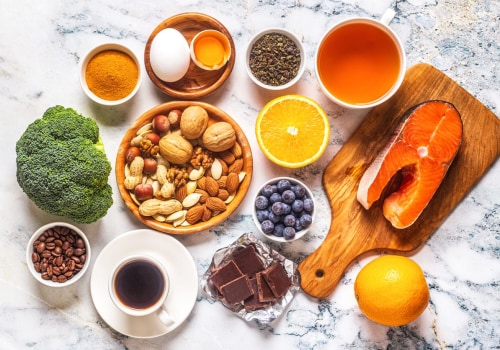
Nurses should focus on creating personalized nutrition plans that emphasize whole foods rich in vitamins and minerals. Foods such as leafy greens, berries, and nuts are excellent sources of antioxidants and essential nutrients that can help combat age-related decline.
Holistic care
involves treating the whole person rather than just addressing specific symptoms. By integrating natural ingredients into patient care, nurses can promote a more balanced lifestyle that encourages self-care and wellness. This may include recommending cooking classes that focus on healthy recipes using natural ingredients or organizing workshops on the benefits of herbal remedies.Furthermore, it is essential for nurses to collaborate with dietitians and other healthcare professionals to ensure that any natural ingredients or supplements do not interfere with prescribed medications.
This multidisciplinary approach not only enhances patient safety but also fosters a comprehensive care environment.In conclusion, by incorporating natural ingredients into care plans, nurses can significantly contribute to the wellness and self-care of elderly patients. This strategy not only empowers patients but also promotes a healthier lifestyle that can lead to improved quality of life.
Barriers to Wellness and How Nurses Can Help Overcome Them
As elderly patients strive to achieve wellness and self-care, they often encounter a variety of barriers that can hinder their progress. These obstacles can be physical, emotional, or social in nature, and understanding them is crucial for nurses who aim to provide effective support.- Physical Limitations: Many elderly individuals face mobility issues, chronic pain, or other health conditions that restrict their ability to engage in physical activities. Nurses can assess these limitations and recommend tailored exercise programs that accommodate their patients' abilities, promoting gradual improvement in strength and mobility.
- Cognitive Decline: Conditions such as dementia or Alzheimer’s disease can impair an elderly person's ability to understand health information or remember medication schedules.
Nurses can simplify communication by using clear, concise language and visual aids, ensuring that patients comprehend their care plans.
- Emotional Barriers: Feelings of depression, anxiety, or loneliness are common among older adults, which can lead to a lack of motivation for self-care. Nurses can play a pivotal role by providing emotional support through active listening and encouraging social interactions, whether through group activities or one-on-one conversations.
- Social Isolation: Many elderly patients live alone or have limited social networks, which can exacerbate feelings of isolation and hinder their ability to seek help. Nurses can facilitate connections with community resources, such as local support groups or volunteer services, to help patients build a supportive network.
- Financial Constraints: The cost of medications, treatments, and healthy food options can be prohibitive for many elderly individuals. Nurses can assist by providing information on financial aid programs or community resources that offer assistance with healthcare costs.
By developing individualized care plans that address specific challenges, nurses not only enhance the quality of life for their patients but also empower them to take charge of their health. Through education, advocacy, and compassionate care, nurses can help older adults navigate the complexities of wellness and self-care.
Emotional and Spiritual Support Provided by Nurses
Nurses play a pivotal role in providing emotional and spiritual support to elderly patients, recognizing that these aspects are integral to overall health and well-being. As individuals age, they often face numerous challenges, including loss of independence, chronic illness, and the passing of loved ones. These experiences can lead to feelings of isolation, anxiety, and depression.By addressing the emotional needs of older adults, nurses can significantly enhance their quality of life.
Emotional support
from nurses involves active listening, empathy, and validation of the patient’s feelings. This support can take many forms:
- Providing a safe space: Nurses create an environment where elderly patients feel comfortable expressing their fears and concerns.
- Encouraging social interaction: Facilitating connections with family members or peers can help combat loneliness.
- Offering reassurance: Regular check-ins and positive reinforcement can help alleviate anxiety about health issues.
- Respecting diverse beliefs: Understanding and honoring the spiritual beliefs of each patient fosters trust and comfort.
- Facilitating access to spiritual resources: Connecting patients with chaplains or spiritual advisors can provide additional support.
- Encouraging reflection: Engaging patients in discussions about their life experiences can promote a sense of purpose and fulfillment.
By integrating emotional and spiritual care into their practice, nurses not only address physical health but also contribute to improved mental health in seniors. This comprehensive care model recognizes that emotional well-being is just as crucial as physical health in promoting overall wellness.Ultimately, the emotional and spiritual support provided by nurses is vital in helping elderly patients navigate the complexities of aging. By fostering a supportive environment that addresses both emotional and spiritual needs, nurses empower older adults to maintain dignity, autonomy, and a sense of purpose in their lives.
Creating Personalized Care Plans with Natural Ingredients
Creating personalized care plans for elderly patients is a fundamental aspect of nursing that significantly enhances their overall wellness. By incorporating natural ingredients into these plans, nurses can address the unique health needs of each individual while promoting self-care and independence.To develop effective personalized care plans, nurses should first conduct comprehensive assessments that consider not only the medical history and current health status of the patient but also their lifestyle, preferences, and cultural background.This holistic approach allows nurses to identify specific areas where natural remedies can be beneficial.
Natural ingredients
, such as herbal supplements, essential oils, and dietary modifications, can play a crucial role in managing chronic conditions common among seniors, such as hypertension, diabetes, and arthritis. For instance:
- Herbal teas like chamomile or ginger can aid digestion and promote relaxation.
- Turmeric, known for its anti-inflammatory properties, can be incorporated into meals to help manage pain.
- Essential oils, such as lavender or eucalyptus, can be used in aromatherapy to enhance mood and reduce anxiety.
This individualized approach fosters a sense of autonomy and encourages seniors to engage in their own wellness journey.
Collaborative Care: Working with Other Healthcare Professionals
In the realm of elderly care, the significance of collaborative healthcare teams cannot be overstated. Nurses, as pivotal members of these teams, work alongside physicians, social workers, pharmacists, and other healthcare professionals to create a comprehensive care plan tailored to the unique needs of older patients. This interdisciplinary approach not only enhances the quality of care but also fosters a holistic understanding of each patient’s health status.Effective teamwork in elderly care involves clear communication and mutual respect among all team members. Each professional brings their expertise to the table, allowing for a more thorough assessment of the patient’s condition.For instance, while nurses monitor vital signs and manage daily care routines, pharmacists can provide insights into medication interactions, and social workers can address psychosocial factors affecting the patient’s well-being.The benefits of healthcare collaboration extend beyond improved patient outcomes. When healthcare professionals work together, they can identify potential issues early on, reducing the risk of complications. This proactive approach is particularly crucial for elderly patients who often have multiple chronic conditions that require careful management.Moreover, collaborative care promotes a sense of community among healthcare providers. Regular team meetings and case discussions encourage sharing of ideas and strategies that can lead to innovative solutions for complex health challenges faced by older adults.
This environment not only enhances professional satisfaction but also leads to better patient experiences.In conclusion, the role of nurses in promoting wellness among elderly patients is significantly amplified through collaboration with other healthcare professionals. By embracing an interdisciplinary approach, nurses can ensure that their patients receive comprehensive care that addresses all aspects of their health, ultimately leading to improved quality of life and enhanced well-being.
FAQs About Nurses' Role in Elderly Wellness and Natural Ingredients
As the population of elderly individuals continues to grow, the role of nurses in promoting wellness and self-care becomes increasingly vital. Below are some frequently asked questions that highlight the importance of nurses in this context, particularly regarding the use of natural ingredients in elderly care.What specific roles do nurses play in promoting wellness among elderly patients?
Nurses are at the forefront of patient care, especially for the elderly. Their roles include:- Education: Nurses educate elderly patients about their health conditions, medications, and the importance of self-care practices.
- Assessment: They conduct regular assessments to monitor health changes and identify potential issues early.
- Support: Providing emotional and psychological support is crucial, as many elderly patients face loneliness and depression.
- Advocacy: Nurses advocate for their patients' needs within the healthcare system, ensuring they receive appropriate care and resources.
- Integration of Natural Ingredients: They can recommend natural ingredients that may enhance wellness, such as herbal supplements or dietary changes that promote better health outcomes.
How can natural ingredients contribute to the wellness of elderly patients?
Natural ingredients can play a significant role in enhancing the health and well-being of elderly patients.Some benefits include:
- Nutritional Support: Many natural ingredients are rich in vitamins and minerals that support overall health.
- Reduced Side Effects: Natural remedies often have fewer side effects compared to pharmaceutical options, making them safer for older adults.
- Holistic Approach: Incorporating natural ingredients aligns with a holistic approach to health, addressing both physical and emotional well-being.
What are common concerns regarding the use of natural ingredients in elderly care?
While natural ingredients can be beneficial, there are some concerns that nurses should address:- Interactions with Medications: Some natural products can interact with prescribed medications, so it’s essential for nurses to review all patient treatments.
- Lack of Regulation: The quality and potency of natural supplements can vary widely; therefore, nurses should guide patients toward reputable sources.
- Individual Responses: Each patient may respond differently to natural ingredients; personalized care plans are crucial for effective implementation.
Conclusion: The Impact of Nursing on Elderly Wellness Through Natural Approaches
In conclusion, the role of nurses in promoting wellness and self-care among elderly patients is multifaceted and profoundly impactful. By integrating natural ingredients into their care strategies, nurses can enhance the overall health and quality of life for older adults. This approach not only addresses physical health but also nurtures emotional and spiritual well-being, which are crucial for holistic care.Nurses serve as educators, guiding elderly patients on the benefits of incorporating natural ingredients into their diets and daily routines.They can recommend foods rich in antioxidants, vitamins, and minerals that support immune function and reduce inflammation. For instance, advising patients to include foods like berries, leafy greens, and nuts can significantly contribute to their health.Moreover, nurses play a vital role in identifying barriers that may prevent elderly patients from accessing these natural resources. Whether it’s financial constraints or lack of knowledge about healthy cooking methods, nurses can provide tailored solutions that empower patients to make informed choices. By fostering an environment where patients feel supported in their journey towards wellness, nurses help cultivate a sense of autonomy and self-efficacy.Additionally, the emotional support provided by nurses cannot be overstated.
By actively listening to the concerns of elderly patients and validating their experiences, nurses create a trusting relationship that encourages open communication. This rapport is essential for discussing lifestyle changes, including the adoption of natural ingredients that promote health.Furthermore, collaboration with other healthcare professionals allows nurses to develop comprehensive care plans that incorporate natural approaches. This teamwork ensures that all aspects of a patient’s health are considered, leading to more effective interventions.Ultimately, the integration of natural ingredients into nursing care not only enhances physical health but also uplifts the spirit of elderly patients. As advocates for wellness, nurses are instrumental in guiding older adults towards healthier lifestyles that embrace the healing power of nature.
Their commitment to patient education, emotional support, and collaborative care is essential in fostering a culture of wellness that resonates throughout the lives of elderly individuals.