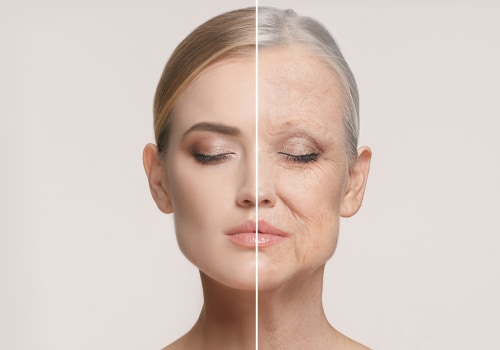
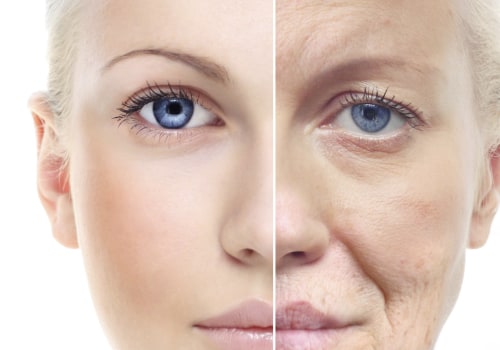
In a world where the quest for eternal youth and vitality is more pronounced than ever, anti-aging therapy has emerged as a pivotal focus in both medical and cosmetic fields. This innovative approach encompasses a variety of treatments and practices aimed at slowing down the aging process, enhancing physical appearance, and improving overall health. As society becomes increasingly aware of the effects of aging, the significance of these therapies continues to grow, making it essential to understand what anti-aging therapy truly entails.At its core, anti-aging therapy refers to a comprehensive set of strategies designed to combat the visible and invisible signs of aging. This can include everything from lifestyle modifications and nutritional adjustments to advanced medical interventions.
The primary goal is not merely to address superficial concerns but to tackle the underlying biological processes that contribute to aging. By doing so, individuals can experience not only a more youthful appearance but also improved health and well-being.The benefits of anti-aging therapy are manifold. Many people report increased energy levels, enhanced skin elasticity, and improved mental clarity as they engage in these therapies. Furthermore, with the rise of natural ingredients in anti-aging products, there is a growing emphasis on holistic approaches that prioritize safety and sustainability.
Natural ingredients such as antioxidants, vitamins, and herbal extracts play a crucial role in these therapies, offering effective solutions without the harsh side effects often associated with synthetic alternatives.As we delve deeper into the realm of anti-aging therapy, it becomes clear that understanding its principles and benefits is vital for anyone looking to embrace a healthier, more vibrant life. The integration of natural ingredients not only enhances the efficacy of these treatments but also aligns with a broader movement towards wellness and self-care in our modern society.
The Science Behind Aging
Aging is a complex biological process influenced by a myriad of factors, both intrinsic and extrinsic. Understanding the science behind aging is essential for developing effective anti-aging therapies that utilize natural ingredients to combat the effects of time on our bodies.At the cellular level, aging is characterized by a gradual decline in cellular function and an increase in cellular damage. One of the primary theories explaining this phenomenon is the free radical theory of aging.This theory posits that free radicals—unstable molecules produced during normal metabolic processes—can cause oxidative damage to cells, proteins, and DNA. Over time, this damage accumulates, leading to the deterioration of cellular function and contributing to the aging process.Another significant factor in biological aging is telomere shortening. Telomeres are protective caps located at the ends of chromosomes that prevent them from deteriorating or fusing with neighboring chromosomes. Each time a cell divides, these telomeres shorten, eventually leading to cellular senescence or apoptosis (programmed cell death).
This process is linked to age-related diseases and overall decline in health.Additionally, the hormonal changes that occur with age play a crucial role in the aging process. Hormones such as estrogen, testosterone, and growth hormone decline as we age, affecting various bodily functions including metabolism, muscle mass, and skin elasticity. These hormonal shifts can lead to noticeable signs of aging and contribute to conditions such as osteoporosis and cardiovascular disease.Several theories have been proposed to explain why we age, including:
- The Programmed Aging Theory: Suggests that aging follows a biological timetable, possibly regulated by genes.
- The Damage Accumulation Theory: Proposes that aging results from the accumulation of damage caused by environmental factors and metabolic processes.
- The Evolutionary Theory: Argues that natural selection favors traits that enhance reproductive success rather than longevity.
By delving into these aspects, we can better appreciate how targeted anti-aging interventions can help us maintain vitality and health as we age.
Natural Ingredients in Anti-Aging Therapy
In the realm of anti-aging therapy, the use of natural ingredients has gained significant traction due to their effectiveness and holistic benefits. Unlike synthetic alternatives, which may come with a host of side effects, natural ingredients offer a gentler approach to rejuvenating the skin and promoting overall health.One of the primary advantages of utilizing natural ingredients in anti-aging therapies is their rich nutrient profile. Many natural substances are packed with vitamins, minerals, and antioxidants that help combat oxidative stress, a major contributor to aging. For instance, vitamin C, found in citrus fruits and berries, is renowned for its ability to brighten the skin and stimulate collagen production, which is essential for maintaining skin elasticity.Popular Natural Anti-Aging Ingredients
- Retinol : Derived from vitamin A, retinol is a powerful ingredient that promotes cell turnover and reduces the appearance of fine lines and wrinkles.
- Green Tea Extract : Rich in polyphenols, green tea extract offers potent antioxidant properties that protect the skin from environmental damage while also reducing inflammation.
- Aloe Vera : Known for its soothing properties, aloe vera hydrates the skin and helps repair damaged tissues, making it an excellent choice for anti-aging formulations.
- Hyaluronic Acid : Naturally occurring in the body, hyaluronic acid retains moisture and plumps the skin, effectively reducing the visibility of wrinkles.
- Coenzyme Q10 : This antioxidant helps energize skin cells and can improve the appearance of fine lines by promoting cellular repair.
For example, while some synthetic anti-aging products may provide immediate results, they can lead to long-term skin damage or irritation. In contrast, natural ingredients tend to work gradually but sustainably, enhancing skin health without adverse effects.Moreover, many consumers are increasingly aware of the importance of sustainability and ethical sourcing in their skincare choices. Natural ingredients often align with these values, as they are typically derived from renewable resources and are less likely to involve harmful chemicals or processes.In conclusion, incorporating natural ingredients into anti-aging therapy not only supports healthier skin but also aligns with a more holistic approach to wellness. As research continues to unveil the benefits of these substances, they are likely to remain at the forefront of effective anti-aging solutions.
Key Natural Ingredients and Their Benefits
In the realm of anti-aging therapy, the use of natural ingredients has gained significant traction due to their effectiveness and minimal side effects.Here, we delve into some of the most prominent natural ingredients that are celebrated for their anti-aging properties.
Retinoids
Retinoids
, derived from vitamin A, are renowned for their ability to promote cell turnover and enhance skin texture. They work by stimulating collagen production, which helps to reduce the appearance of fine lines and wrinkles. Additionally, retinoids can improve skin tone and diminish hyperpigmentation, making them a staple in many anti-aging regimens. Regular use can lead to visibly smoother and more youthful skin.
Vitamin C
Vitamin C
is a powerful antioxidant that plays a crucial role in protecting the skin from oxidative stress caused by free radicals.
It aids in collagen synthesis, which is essential for maintaining skin elasticity and firmness. Furthermore, vitamin C can brighten the complexion and reduce the appearance of dark spots, giving the skin a more radiant look. Incorporating vitamin C serums or creams into your skincare routine can yield significant improvements in overall skin health.
Hyaluronic Acid
Hyaluronic acid
is a naturally occurring substance in the body that retains moisture, making it an excellent ingredient for hydration. As we age, our skin loses its ability to retain moisture, leading to dryness and loss of volume.
Hyaluronic acid helps to plump the skin by attracting water molecules, resulting in a more youthful appearance. It is often found in serums and moisturizers designed for anti-aging purposes.
Other Notable Ingredients
- Peptides: These small chains of amino acids help to stimulate collagen production and improve skin elasticity.
- Coenzyme Q10: This antioxidant helps protect the skin from damage while also supporting cellular energy production.
- Green Tea Extract: Rich in polyphenols, green tea extract offers anti-inflammatory properties and protects against UV damage.
- Aloe Vera: Known for its soothing properties, aloe vera hydrates the skin and promotes healing.
Holistic Approaches to Anti-Aging Therapy
In the quest for youthful vitality, holistic approaches to anti-aging therapy have gained significant traction. These methods emphasize the interconnectedness of body, mind, and spirit, advocating for a comprehensive strategy that encompasses lifestyle changes, dietary adjustments, and mental well-being.Lifestyle Changes for Aging Gracefully
- Regular Physical Activity: Engaging in consistent exercise is crucial for maintaining muscle mass, enhancing cardiovascular health, and improving overall mood.
Activities such as yoga, swimming, and strength training not only promote physical fitness but also contribute to mental clarity and emotional stability.
- Quality Sleep: Sleep is often overlooked in discussions about aging. Prioritizing restorative sleep helps the body repair itself and regulates hormones that affect stress and appetite. Establishing a calming bedtime routine can significantly improve sleep quality.
- Stress Management: Chronic stress accelerates the aging process. Techniques such as mindfulness meditation, deep breathing exercises, and spending time in nature can help mitigate stress levels, promoting a sense of peace and well-being.
The Role of Diet in Anti-Aging
A balanced diet rich in natural ingredients plays a pivotal role in anti-aging therapy.
Foods that are high in antioxidants, vitamins, and minerals can combat oxidative stress and inflammation—two key contributors to aging.
- Fruits and Vegetables: Incorporating a variety of colorful fruits and vegetables into your diet ensures a wide range of nutrients. Berries, leafy greens, and cruciferous vegetables are particularly beneficial due to their high antioxidant content.
- Healthy Fats: Omega-3 fatty acids found in fish, nuts, and seeds support brain health and reduce inflammation. Including these fats in your diet can enhance skin elasticity and overall vitality.
- Hydration: Staying well-hydrated is essential for maintaining skin moisture and elasticity. Aim to drink plenty of water throughout the day, along with herbal teas that can provide additional health benefits.
Mental Well-Being as a Foundation
The mind-body connection is a fundamental aspect of holistic anti-aging therapy.
Engaging in activities that promote mental well-being—such as reading, pursuing hobbies, or connecting with loved ones—can enhance life satisfaction and emotional resilience. A positive outlook on life has been shown to correlate with longevity and improved health outcomes.In conclusion, adopting a holistic approach to anti-aging therapy involves more than just addressing physical signs of aging; it requires a commitment to nurturing the body through lifestyle changes, nourishing the body with healthy foods, and fostering mental well-being. By integrating these elements into daily life, individuals can effectively manage the aging process while enhancing their overall quality of life.
The Role of Supplements in Anti-Aging Therapy
In the quest for youthful vitality, dietary supplements have emerged as a popular avenue for those seeking to enhance their anti-aging efforts. These supplements, particularly those derived from natural ingredients , can play a significant role in promoting skin health and overall wellness.Understanding the various types of anti-aging supplements and their potential benefits is essential for anyone looking to maintain their youthful appearance.
Popular Natural Supplements for Aging
Several natural supplements have gained attention for their anti-aging properties. Here are some of the most notable:- Collagen Peptides: Collagen is a vital protein that provides structure to the skin, hair, and nails. As we age, collagen production decreases, leading to wrinkles and sagging skin. Supplementing with collagen peptides can help improve skin elasticity and hydration.
- Omega-3 Fatty Acids: Found in fish oil and flaxseed oil, omega-3 fatty acids are known for their anti-inflammatory properties.
They can help maintain skin moisture and reduce the appearance of fine lines.
- Coenzyme Q10 (CoQ10): This antioxidant plays a crucial role in energy production within cells. CoQ10 levels decline with age, and supplementation may help protect the skin from oxidative stress, promoting a more youthful appearance.
- Vitamin C: A powerful antioxidant, vitamin C is essential for collagen synthesis. It helps protect the skin from UV damage and can brighten the complexion, making it a staple in many anti-aging regimens.
- Resveratrol: Found in red wine and grapes, resveratrol is known for its potential to activate genes associated with longevity. Its antioxidant properties may also help protect against age-related diseases.
The Effectiveness of Supplements
The effectiveness of these natural supplements can vary based on individual health conditions, lifestyle choices, and dietary habits.While many studies support the benefits of these supplements, it’s important to approach them as part of a holistic anti-aging strategy that includes a balanced diet, regular exercise, and proper skincare.Moreover, consulting with a healthcare professional before starting any supplement regimen is advisable. They can provide personalized recommendations based on your specific needs and health goals.In conclusion, incorporating natural supplements into your anti-aging therapy can offer significant benefits for skin health and overall wellness. By choosing high-quality products and maintaining a comprehensive approach to health, you can enhance your efforts to combat the signs of aging effectively.
Safety and Efficacy of Natural Anti-Aging Therapies
As the demand for anti-aging therapies continues to rise, many individuals are turning to natural ingredients as a safer alternative to synthetic treatments. However, understanding the safety and efficacy of these natural therapies is crucial for making informed decisions.Safety of Natural Ingredients
Natural ingredients are often perceived as safer than their synthetic counterparts, but this is not always the case.
While many natural substances can provide significant benefits, they can also pose risks if not used correctly. For instance, some herbal extracts may interact with medications or cause allergic reactions in sensitive individuals.To ensure safety when using natural anti-aging products, consider the following:
- Research Ingredients: Always look into the specific natural ingredients used in a product. Ingredients like green tea extract, aloe vera, and hyaluronic acid are generally well-tolerated and beneficial for skin health.
- Patch Test: Before applying a new product to your face or body, conduct a patch test on a small area of skin to check for any adverse reactions.
- Consult Professionals: If you have existing health conditions or are taking medications, consult with a healthcare provider or dermatologist before starting any new treatment.
Efficacy of Anti-Aging Treatments
The efficacy of natural anti-aging therapies can vary widely based on the ingredient and its concentration. Some natural ingredients have been scientifically proven to improve skin elasticity, reduce wrinkles, and promote a youthful appearance.
For example:
- Retinol: Derived from vitamin A, retinol is known for its ability to stimulate collagen production and improve skin texture.
- Coconut Oil: This natural moisturizer can help hydrate the skin and may reduce the appearance of fine lines.
- Pomegranate Extract: Rich in antioxidants, pomegranate extract can protect the skin from oxidative stress and promote cell regeneration.
Side Effects of Natural Therapies
While many people tolerate natural ingredients well, side effects can occur. Common side effects may include:
- Irritation: Some individuals may experience redness or irritation from certain botanical extracts.
- Allergic Reactions: Natural ingredients can still trigger allergies; always be cautious with new products.
- Sensitivity to Sunlight: Certain natural compounds can increase sensitivity to UV rays, necessitating the use of sunscreen.
Future Trends in Anti-Aging Therapy with Natural Ingredients
As the quest for youthful vitality continues, the future of anti-aging therapy is increasingly leaning towards the use of natural ingredients. This shift is driven by a growing consumer demand for safer, more sustainable options that align with holistic health principles.Here are some emerging trends and innovations that are shaping the landscape of anti-aging therapies:
- Biotechnology and Natural Extracts: Advances in biotechnology are enabling researchers to extract potent compounds from natural sources. Ingredients like resveratrol, found in grapes, and curcumin, derived from turmeric, are being studied for their antioxidant properties and potential to combat cellular aging.
- Personalized Skincare: The future of anti-aging therapy is moving towards personalized solutions. By analyzing an individual’s genetic makeup and skin type, skincare products can be tailored to include specific natural ingredients that target unique aging concerns.
- Plant Stem Cells: The use of plant stem cells in skincare is gaining traction. These cells have the ability to regenerate and repair skin, making them a promising ingredient in anti-aging formulations.
Products featuring apple or grape stem cells are already on the market, showcasing their potential to enhance skin vitality.
- Fermented Ingredients: Fermentation enhances the bioavailability of nutrients, making them more effective. Ingredients like fermented rice or soy are being incorporated into anti-aging products for their ability to improve skin texture and elasticity.
- Sustainable Sourcing: As consumers become more environmentally conscious, there is a push for sustainably sourced natural ingredients. Brands that prioritize ethical harvesting practices and eco-friendly packaging are likely to gain favor among consumers looking for responsible anti-aging solutions.
Innovations in biotechnology, personalized skincare, and sustainable practices will play pivotal roles in shaping effective treatments that not only enhance appearance but also promote overall well-being.
FAQs About Anti-Aging Therapy and Natural Ingredients
As the interest in anti-aging therapy continues to grow, many individuals have questions about its effectiveness, especially regarding the use of natural ingredients. Below are some frequently asked questions that can help clarify common misconceptions and provide guidance on choosing the right anti-aging products.What are the most common myths about anti-aging treatments?
- Myth 1: All anti-aging products are effective for everyone.
- Myth 2: Natural ingredients are always safer than synthetic ones.
- Myth 3: You can completely reverse aging with a single product.
- Myth 4: Anti-aging treatments are only for older adults.
It’s essential to approach anti-aging therapy with realistic expectations.
How do I choose the right anti-aging products?
Selecting the right anti-aging products involves several considerations:- Know Your Skin Type: Understanding whether you have oily, dry, or combination skin can guide your product choices.
- Research Ingredients: Look for proven natural ingredients such as hyaluronic acid, vitamin C, and peptides that promote skin health.
- Read Reviews: Customer feedback can provide insights into a product's effectiveness and potential side effects.
- Consult a Professional: A dermatologist can offer personalized recommendations based on your skin's needs.
Conclusion: Embracing Natural Solutions for Aging Gracefully
As we conclude our exploration of anti-aging therapy, it becomes increasingly clear that embracing natural ingredients offers a promising pathway to aging gracefully. The journey through the various facets of anti-aging treatments has illuminated the significance of holistic approaches that prioritize not just external beauty but also internal health.Throughout this article, we have discussed how natural ingredients such as antioxidants , vitamins , and botanical extracts play a crucial role in combating the signs of aging. These components work synergistically to enhance skin vitality, promote cellular regeneration, and protect against environmental stressors.By incorporating these elements into our daily routines, we can foster a more youthful appearance while also nurturing our overall well-being.The emphasis on natural solutions is not merely a trend; it reflects a growing awareness of the potential side effects associated with synthetic alternatives. Many individuals are now seeking out therapies that align with their values of sustainability and health consciousness. This shift towards natural anti-aging therapies encourages us to consider the long-term benefits of using products derived from nature, which often come with fewer risks and greater compatibility with our bodies.Moreover, the integration of lifestyle changes—such as a balanced diet rich in whole foods , regular physical activity, and adequate hydration—complements the use of natural ingredients in anti-aging therapy. These lifestyle choices not only enhance the effectiveness of topical treatments but also contribute to a more vibrant and energetic life.In summary, as we navigate the complexities of aging, it is essential to embrace a comprehensive approach that includes natural ingredients as a cornerstone of our anti-aging strategy.
By prioritizing holistic health and wellness, we can not only slow down the visible signs of aging but also cultivate a deeper sense of vitality and joy in our lives. Let us move forward with the knowledge that aging is not merely an inevitable decline but an opportunity for growth, renewal, and embracing the beauty of every stage of life.