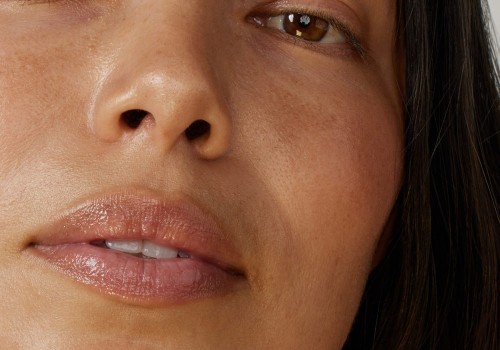
As the quest for youthful skin continues, the realm of anti-aging treatments has evolved significantly, with a notable shift towards the use of natural ingredients. This growing interest reflects a broader trend in skincare where consumers are increasingly seeking solutions that are not only effective but also safe and environmentally friendly. The desire to maintain a youthful appearance has led to an explosion of products and treatments that promise to rejuvenate the skin, combat wrinkles, and restore vitality.Natural ingredients have gained popularity due to their perceived gentleness on the skin and their ability to deliver results without harsh chemicals. Many individuals are now more informed about what they apply to their skin, opting for formulations that harness the power of nature.
Ingredients such as aloe vera , green tea extract , and hyaluronic acidhyaluronic acid are just a few examples of nature's offerings that have been shown to enhance skin health and appearance. These components not only provide hydration but also possess antioxidant properties that protect against environmental damage.The effectiveness of these natural treatments is often supported by scientific research, which highlights their ability to stimulate collagen production, improve skin elasticity, and reduce the appearance of fine lines. As we delve deeper into the various methods available for skin rejuvenation, it becomes clear that integrating natural ingredients into anti-aging regimens can yield significant benefits. From topical applications to dietary supplements, the options are diverse and cater to different skin types and concerns.This article will explore the myriad of anti-aging treatments available today, focusing on how natural ingredients play a pivotal role in promoting healthier, more youthful-looking skin.
By understanding these treatments and their underlying principles, readers can make informed choices that align with their skincare goals.
Understanding Aging: The Science Behind Skin Changes
Aging is an inevitable process that affects everyone, and its impact on the skin is particularly noticeable. As we age, our skin undergoes a series of biological changes that contribute to its appearance and texture. Understanding these changes is essential for appreciating how various anti-aging treatments can effectively address them.One of the primary factors in skin aging is the decline in collagen production. Collagen is a protein that provides structure and support to the skin, making it firm and resilient.In our youth, collagen levels are abundant, allowing the skin to maintain its elasticity and youthful appearance. However, as we age, collagen production decreases significantly—by about 1% per year after the age of 20. This reduction leads to a loss of firmness and the formation of fine lines and wrinkles.In addition to collagen, another crucial protein in maintaining skin health is elastin. Elastin fibers allow the skin to stretch and bounce back into place.
Similar to collagen, elastin production diminishes with age, resulting in sagging skin and a lack of suppleness. The combination of reduced collagen and elastin creates a perfect storm for visible signs of aging.Moreover, external factors such as sun exposure, pollution, and lifestyle choices can exacerbate these natural declines. Ultraviolet (UV) rays from the sun can break down collagen and elastin fibers more rapidly, leading to premature aging. Additionally, smoking and poor nutrition can further hinder the body’s ability to produce these vital proteins.Understanding the science behind these changes highlights the importance of incorporating natural ingredients into anti-aging treatments.
Ingredients like hyaluronic acid can help retain moisture in the skin, while antioxidants such as vitamin C can protect against environmental damage and stimulate collagen production. By addressing both the internal decline of collagen and elastin and external damaging factors, effective anti-aging treatments can promote healthier, more youthful-looking skin.In summary, recognizing how aging affects collagen and elastin levels provides valuable insight into why certain treatments are effective. By targeting these fundamental changes in skin biology, we can better appreciate the role of various anti-aging solutions in restoring a youthful appearance.
Natural Ingredients in Anti-Aging Treatments
In the quest for youthful skin, many individuals are turning to natural ingredients as effective alternatives to synthetic compounds in anti-aging treatments. These ingredients not only offer rejuvenating properties but also align with a growing preference for plant-based skincare solutions that are gentle on the skin and the environment.One of the most celebrated natural ingredients in anti-aging is retinol , derived from vitamin A.Retinol promotes cell turnover, helping to reduce the appearance of fine lines and wrinkles while improving skin texture. Unlike synthetic retinoids, natural retinol is less irritating, making it suitable for sensitive skin types.
Vitamin C
is another powerhouse in the realm of natural anti-aging. This potent antioxidant helps to neutralize free radicals, which are responsible for skin aging. By stimulating collagen production, vitamin C not only brightens the complexion but also enhances skin elasticity, leading to a firmer appearance.Another remarkable ingredient is aloe vera.
Known for its soothing properties, aloe vera hydrates the skin and promotes healing. Its rich content of vitamins and minerals aids in reducing inflammation and can help diminish the visibility of age spots and blemishes.
Green tea extract
is also gaining recognition for its anti-aging benefits. Packed with polyphenols, green tea helps protect the skin from UV damage and reduces signs of aging by improving skin elasticity and hydration. Regular use can lead to a more youthful and vibrant complexion.Moreover, hyaluronic acid , although often synthesized, can be found in natural sources like certain plants.
This ingredient is renowned for its ability to retain moisture—up to 1,000 times its weight in water—making it essential for plumping up the skin and reducing the appearance of fine lines.The benefits of using natural ingredients extend beyond their immediate effects on aging. They often come with fewer side effects compared to their synthetic counterparts, making them a safer choice for long-term skincare routines. Additionally, many natural ingredients possess anti-inflammatory properties that can soothe irritated skin and promote an even tone.Incorporating these natural ingredients into your skincare regimen can lead to significant improvements in skin health and appearance. Whether through serums, creams, or masks, embracing plant-based skincare not only nourishes your skin but also supports a holistic approach to beauty that respects both personal health and environmental sustainability.
Popular Natural Ingredients and Their Benefits
In the quest for youthful skin, many individuals are turning to natural ingredients that offer effective anti-aging benefits without the harsh side effects often associated with synthetic products.Here, we explore some of the most popular natural ingredients and their remarkable properties.
Aloe Vera
Aloe vera is renowned for its soothing and hydrating properties. This succulent plant contains a wealth of vitamins, minerals, and antioxidants that help to rejuvenate the skin. Its gel-like substance is rich in vitamin E , which is known for its ability to combat oxidative stress and promote skin elasticity. Additionally, aloe vera has anti-inflammatory properties that can reduce redness and irritation, making it an excellent choice for sensitive skin.Vitamin C
Vitamin C is a powerful antioxidant that plays a crucial role in collagen synthesis, which is essential for maintaining skin firmness and elasticity.This vitamin helps to brighten the complexion by reducing the appearance of dark spots and hyperpigmentation caused by sun damage. Regular use of vitamin C can also protect the skin from environmental stressors, such as pollution and UV rays, further enhancing its anti-aging effects.This vitamin helps to brighten the complexion by reducing the appearance of dark spots and hyperpigmentation caused by sun damage. Regular use of vitamin C can also protect the skin from environmental stressors, such as pollution and UV rays, further enhancing its anti-aging effects.
Retinol Alternatives
While retinol is a well-known anti-aging ingredient, some individuals may seek gentler alternatives due to sensitivity or irritation. Natural retinol alternatives include bakuchiol , derived from the seeds of the Psoralea corylifolia plant. Bakuchiol has been shown to improve skin texture and reduce fine lines without the side effects commonly associated with retinol.Another option is rosehip oil , which is rich in essential fatty acids and antioxidants that promote skin regeneration and repair.
Hyaluronic Acid
Hyaluronic acid is a naturally occurring substance in the body known for its incredible ability to retain moisture—up to 1,000 times its weight in water. This makes it an exceptional hydrating agent that plumps up the skin, reducing the appearance of fine lines and wrinkles. When used in skincare products, hyaluronic acid helps maintain skin hydration levels, resulting in a smoother and more youthful complexion.Antioxidants
The role of antioxidants in anti-aging cannot be overstated. Ingredients such as green tea extract, coenzyme Q10, and resveratrol are packed with antioxidants that neutralize free radicals—unstable molecules that contribute to premature aging.By incorporating these ingredients into your skincare routine, you can enhance your skin's resilience against environmental damage while promoting a healthier, more vibrant appearance.Incorporating these natural ingredients into your skincare regimen can significantly enhance your anti-aging efforts. Whether through serums, creams, or masks, these powerful components work synergistically to nourish and rejuvenate your skin.
How to Incorporate Natural Ingredients into Your Skincare Routine
Incorporating natural ingredients into your skincare routine can be a transformative experience, enhancing your skin's health and appearance while minimizing exposure to harsh chemicals. Here are some practical tips and DIY recipes to help you seamlessly integrate these ingredients into your daily regimen.Choosing the Right Natural Ingredients
When selecting natural ingredients, consider your skin type and specific concerns. Here are some popular options:- Aloe Vera: Known for its soothing properties, aloe vera is excellent for hydration and calming irritated skin.
- Coconut Oil: This versatile oil is a great moisturizer and can also serve as a makeup remover.
- Honey: With its natural antibacterial properties, honey is perfect for acne-prone skin and can also provide deep hydration.
- Green Tea: Rich in antioxidants, green tea can help reduce inflammation and protect against environmental damage.
- Oatmeal: Ideal for sensitive skin, oatmeal can soothe irritation and provide gentle exfoliation.
DIY Skincare Recipes
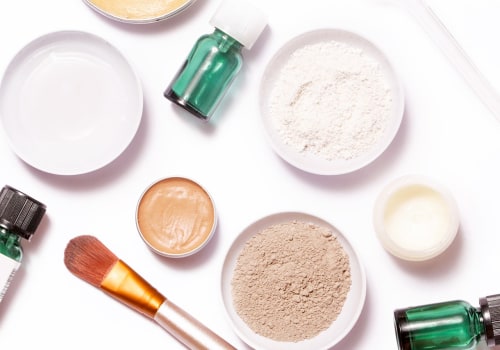
Creating your own skincare products at home can be both fun and rewarding.Here are a few simple recipes to get you started:
- Aloe Vera Face Mask: Mix 2 tablespoons of fresh aloe vera gel with 1 tablespoon of honey. Apply to your face for 15-20 minutes before rinsing off with warm water. This mask hydrates and soothes the skin.
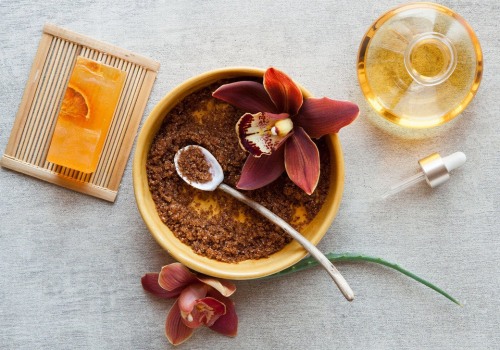
- Coconut Oil Scrub: Combine 1 cup of coconut oil with 1/2 cup of sugar or sea salt. Use this mixture to gently exfoliate your skin in the shower, leaving it soft and moisturized.
- Green Tea Toner: Brew a cup of green tea, let it cool, and mix in 1 tablespoon of apple cider vinegar.
Apply this toner to your face with a cotton ball after cleansing to help tighten pores and refresh your skin.
Integrating Natural Ingredients into Your Routine
To effectively incorporate these natural ingredients into your skincare routine, follow these steps:- Start Slow: Introduce one new ingredient at a time to monitor how your skin reacts.
- Patch Test: Always perform a patch test before applying new products to ensure you don’t have an adverse reaction.
- Consistency is Key: Use natural products regularly for the best results; consistency will help improve your skin over time.
Comparing Natural Treatments with Conventional Anti-Aging Procedures
As the quest for youthful skin continues, many individuals find themselves weighing the benefits of natural treatments against conventional anti-aging procedures such as Botox and dermal fillers. Understanding the differences in effectiveness and safety between these two approaches is crucial for making informed decisions about skin care.Natural Treatments vs. Conventional Methods
Natural treatments often utilize ingredients derived from plants, minerals, and other organic sources.
Common natural ingredients include:
- Aloe Vera: Known for its soothing properties, it hydrates the skin and promotes healing.
- Green Tea Extract: Rich in antioxidants, it helps combat free radicals that contribute to aging.
- Vitamin C: A powerful antioxidant that brightens the skin and stimulates collagen production.
- Hyaluronic Acid: Naturally found in the body, it retains moisture and plumps the skin.
Effectiveness of Natural Treatments
The effectiveness of natural treatments can vary significantly based on individual skin types and conditions. While they may not provide instant results like Botox or fillers, many users report long-term benefits such as improved skin texture and reduced fine lines when used consistently over time.
Additionally, natural treatments often promote overall skin health rather than just masking signs of aging.
Safety of Natural Ingredients
One of the most appealing aspects of natural treatments is their safety profile. Most natural ingredients are less likely to cause adverse reactions compared to synthetic alternatives. However, it is essential to conduct a patch test before applying any new product to ensure there are no allergic reactions. On the other hand, while conventional procedures are generally safe when performed by qualified professionals, they carry risks associated with injections and potential complications.Ultimately, the choice between natural treatments and conventional anti-aging procedures depends on individual preferences, desired outcomes, and tolerance for potential side effects.
By understanding the pros and cons of each approach, individuals can make more informed decisions about their anti-aging strategies.
Potential Side Effects and Considerations When Using Natural Ingredients
While natural ingredients are often celebrated for their benefits in anti-aging treatments, it is crucial to recognize that they can also pose certain risks. Understanding the potential side effects and considerations associated with these ingredients can help individuals make informed decisions about their skincare routines.Allergic Reactions
One of the most significant concerns when using natural ingredients is the possibility of allergic reactions. Ingredients derived from plants, fruits, and herbs can trigger sensitivities in some individuals. Common allergens include:
- Essential oils: While they offer various benefits, some essential oils can cause skin irritation or allergic reactions, particularly in sensitive individuals.
- Botanical extracts: Ingredients like chamomile or aloe vera may cause reactions in those allergic to related plants.
- Fragrance components: Even natural fragrances can lead to allergic responses, so it’s essential to check for any known sensitivities.
Apply a small amount of the product to a discreet area of skin and wait 24 hours to see if any adverse reactions occur.
Skin Sensitivity
Natural ingredients can also lead to increased skin sensitivity, especially when used in high concentrations or combined with other active ingredients. For instance:
- Citrus extracts: These can enhance photosensitivity, making the skin more susceptible to sun damage.
- Exfoliating agents: Ingredients like alpha hydroxy acids (AHAs) derived from fruits can cause irritation if overused.
- Herbal extracts: Some may have potent effects that could irritate sensitive skin types.
Interactions with Other Products
Another consideration is how natural ingredients interact with other skincare products.
Combining multiple active ingredients can sometimes lead to unexpected reactions or diminish the effectiveness of certain treatments. For example, using a natural exfoliant alongside a retinol product may increase irritation and sensitivity.In conclusion, while natural ingredients offer numerous benefits for anti-aging treatments, it is essential to be aware of potential side effects such as allergic reactions and increased skin sensitivity. By taking precautions and seeking professional advice when necessary, individuals can safely incorporate these ingredients into their skincare routines.
FAQs About Anti-Aging Treatments with Natural Ingredients
As the quest for youthful skin continues, many individuals turn to anti-aging treatments that incorporate natural ingredients. However, there are numerous questions and misconceptions surrounding these treatments.Below, we address some of the most frequently asked questions regarding anti-aging treatments with natural ingredients.
What are some common natural ingredients used in anti-aging treatments?
Natural ingredients have gained popularity in the realm of skincare due to their perceived safety and effectiveness. Some of the most common natural ingredients include:- Aloe Vera: Known for its soothing properties, aloe vera helps hydrate the skin and may reduce the appearance of fine lines.
- Green Tea Extract: Rich in antioxidants, green tea can protect the skin from free radical damage and improve elasticity.
- Vitamin C: A powerful antioxidant that brightens the skin and promotes collagen production, helping to reduce wrinkles.
- Retinol from Carrots: A natural source of vitamin A, retinol can enhance cell turnover and improve skin texture.
- Jojoba Oil: Mimicking the skin's natural oils, jojoba oil provides hydration without clogging pores.
Are natural anti-aging treatments effective?
The effectiveness of natural anti-aging treatments can vary based on individual skin types and concerns. While many people report positive results from using products with natural ingredients, it is essential to understand that results may not be as immediate or dramatic as those achieved through clinical procedures. Consistent use over time is often necessary to see significant improvements.What are some myths about natural anti-aging treatments?
Several myths surround the use of natural ingredients in anti-aging treatments:- Myth 1: Natural means safe for everyone.
While many natural ingredients are gentle, some can cause allergic reactions or irritation in sensitive individuals.
- Myth 2: All natural products are equally effective. The concentration and formulation of active ingredients play a crucial role in their effectiveness.
- Myth 3: Natural treatments provide instant results. Unlike some invasive procedures, natural treatments typically require time and consistent application to yield visible results.
Conclusion: Embracing Natural Solutions for Youthful Skin
As we conclude our exploration of anti-aging treatments, it becomes increasingly clear that embracing natural ingredients can significantly enhance the quest for youthful skin.Throughout this article, we have delved into various methods and treatments, highlighting the importance of choosing solutions that not only deliver results but also promote overall skin health.Natural ingredients offer a multitude of benefits that synthetic alternatives often cannot match. For instance, substances like hyaluronic acid , derived from natural sources, provide exceptional hydration and plumpness to the skin. Similarly, collagen boosters such as peptides and botanical extracts stimulate the skin's natural repair processes, leading to improved elasticity and reduced fine lines.Moreover, treatments like microneedling and chemical peels , when combined with natural serums rich in vitamins and antioxidants, can amplify their effectiveness. These natural components work synergistically with the body’s healing mechanisms, ensuring that the skin not only looks rejuvenated but also feels healthier from within.Incorporating natural ingredients into your skincare routine is not just about immediate results; it’s about fostering long-term skin vitality.
Ingredients such as aloe vera , green tea extract , and essential oils can provide soothing properties while combating oxidative stress caused by environmental factors. This holistic approach to skincare emphasizes prevention as much as treatment.Ultimately, the journey towards youthful skin is a personal one, and understanding the role of natural ingredients can empower individuals to make informed choices. By prioritizing products that harness the power of nature, we can achieve not only a more radiant complexion but also a deeper connection to our overall well-being.In summary, as we embrace these natural solutions for anti-aging, let us remember that true beauty comes from nurturing our skin with care and respect. The path to youthful skin is paved with knowledge, choice, and a commitment to using ingredients that honor our bodies and the environment.